

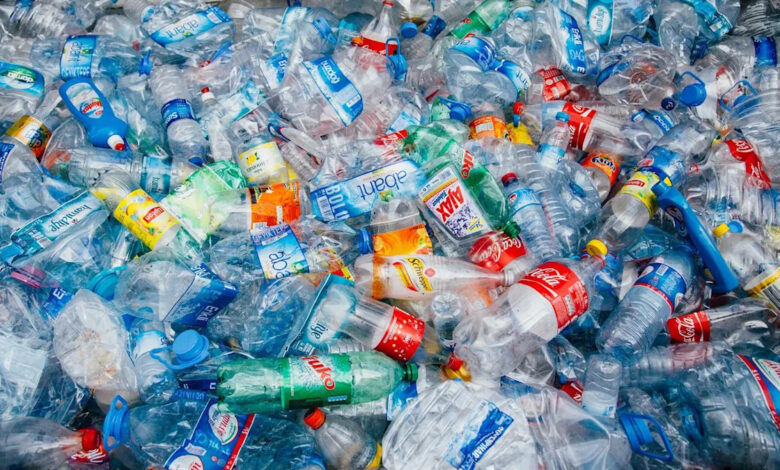
Old plastic bottles, battery acid from old cars, with a little help from a catalyst, can give plastic waste a new purpose, driving the production of useful chemicals powered by sunlight alone.
A recent study by researchers at the University of Cambridge found a way to turn everyday plastics such as PET from water bottles, nylon and polyurethane into useful chemical feedstocks.
Using a light-driven process called photocatalytic transfer hydrogenation (PTH), the plastics were used to help convert nitroarenes into anilines—key ingredients used in dyes, medicines, and plastics.
Traditional methods of aniline manufacturing require pure hydrogen gas made from fossil fuels, which involves dangerous high-pressure and high-temperature conditions.
In this strategy, researchers used sulfuric acid from spent lead-acid batteries to turn the solid plastics into hydrolyzates—liquid mixtures of soluble monomers— that act as a sustainable source of protons (hydrogen) and electrons required to drive chemical reactions.
From here, the specially designed electrocatalyst, cobalt molybdenum sulfide (CoMoS2), took the driver’s seat, functioning as the active site for the selective conversion of nitroarenes into high-value anilines in the presence of sunlight.
The process delivered yields of up to 99% across a broad range of nitroarenes, while maintaining impressive selectivity. According to the findings, published in Angewandte Chemie International Edition, hydrogenation driven by waste plastic Nitroarenes, aromatic compounds containing an NO2 functional group, are widely used as starting materials for producing anilines, which serve as essential building blocks for everything from everyday products to advanced materials.
Most industrial hydrogenation methods rely on molecular hydrogen (H2) produced through steam methane reforming (SMR), a process heavily dependent on fossil fuels. This has pushed scientists to search for a cleaner and more efficient way to produce anilines, making it a major goal for the chemical industry