
The launch of the Nigeria Universal Communication Access Project (NUCAP) in Bende, Abia State, is more than another project flag-off. It is a reminder that digital exclusion remains one of Nigeria’s most stubborn inequalities.
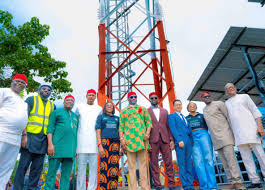
On Friday, the Minister of Communications, Innovation and Digital Economy, Dr Bosun Tijani, unveiled a telecoms tower at Umuorie village, Bende, under NUCAP, a flagship programme designed to provide reliable broadband to unserved and underserved rural communities. The initiative, sequel to President Bola Tinubu’s directive that every unserved part of Nigeria must be connected, deserves commendation.
Its promise is significant. Improved connectivity will strengthen electoral integrity by supporting the Bimodal Voter Accreditation System (BVAS), boost commercial and agricultural activities, and give rural dwellers access to digital markets and services. As the Minister noted, a single tower can mean clearer conversations, successful banking transactions and access to online learning. Connectivity, indeed, links people to knowledge, services and markets, and is crucial for financial inclusion.
The decision to prioritize Bende Federal Constituency, described as the largest local government area to have remained undivided since 1976, and to promise that every community there will be connected before Christmas, is ambitious. So is the plan to deploy 3,700 similar towers nationwide.
But ambition must be matched with sustainability. Nigeria’s history of rural telephony projects is littered with abandoned infrastructure, vandalized equipment and unsustainable models driven by poor maintenance and erratic power supply. A tower erected is not connectivity delivered.
That is why the Minister’s call on residents to protect infrastructure and on traditional rulers to provide land is critical, but insufficient. Protection must be rooted in ownership. Communities must see these towers as theirs, not as federal projects imposed from Abuja. Digital literacy, affordable data, and reliable power must accompany the steel and antennas.
Government must also correct discrepancies in digital maps and GPS records, as promised, to ensure proper planning. Transparency in site selection and contractor performance under the Universal Service Provision Fund will determine credibility.
As the lawmaker representing Bende rightly averred, what seems ordinary to urban dwellers — network service — determines for rural dwellers whether opportunities are secured or lost. Financial inclusion through mobile banking, education beyond the physical classroom, and telemedicine that connects rural health workers to distant specialists all depend on dependable connectivity.
NUCAP is welcome. Its success will be measured not by towers unveiled, but by lives transformed.