
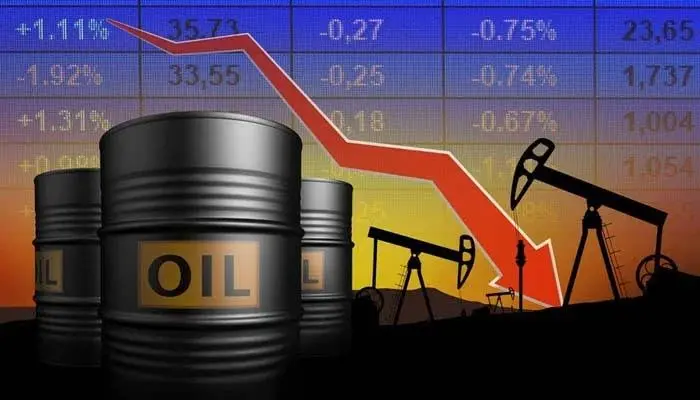
The global crude benchmark settled below $117 a barrel on Friday, up more than six percent this week, while West Texas Intermediate closed above $103. Iran-backed Houthi militants claimed recent attacks on the Saudi Red Sea port of Yanbu, as well as deadly strikes on an oil field and airport in the kingdom. “Weekend escalation fears are adding fuel. “Even as geopolitical analysts play down the likelihood,” traders are nervous, said senior energy trader at CIBC Private Wealth Group, Rebecca Babin . The flareup threatens to widen hostilities around the Strait of Hormuz, where crude exports have recovered to near prewar levels.
Oil traders have also been reluctant to hold short positions ahead of the weekend, when markets are closed. Several bullish options market dynamics are also reverberating through to futures. At the White House on Thursday, US President Donald Trump told reporters that the US has “knocked” out Iran and threatened to go “a little bit further,” without elaborating. The New York Times reported this week that the US and Israel have developed plans for renewed strikes against the Islamic Republic after the American midterm elections early next month.
Brent is up more than 85 percent this year because of the US-Iran war, which is now approaching its ninth month. Refined-product prices have risen even faster, most notably diesel. More recently, however, flows through Hormuz have surged, weighing on physical markets even as futures climb. “Beyond escalation in the Middle East conflict, freight rates have increasingly become the important marginal driver, with elevated landed prices for refiners potentially putting a cap on crude oil upside as weaker margins may limit refiner runs. This however, would ultimately keep refined products extremely tight,” said Ryan McKay, senior commodity strategist at TD Securities.
The US is preparing for a protracted conflict with Iran and could still be mired in a stalemate a year from now, Trump’s Ambassador to the United Nations, Mike Waltz, told the Financial Times. The US Navy can maintain its blockade of Iranian ports for the “foreseeable future” and the administration is tightening economic pressure on Tehran, he added.