
Despite Court Suit, Reps Insist Telecom CEOs Must Answer for Poor Network Services

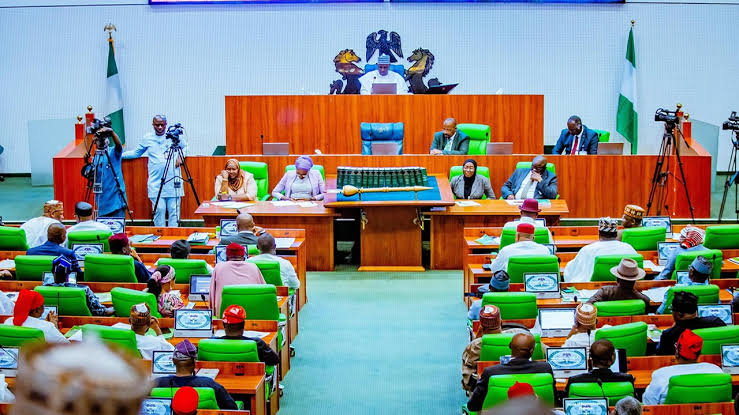
The latest decision of the lawmakers came despite a suit by the operators challenging the lawmakers’ powers in probing quality network service. The House ad hoc Committee on Telecommunications Service Quality, during a sitting on November 4, 2026, rejected representatives of the Association of Licensed Telecommunications Operators of Nigeria (ALTON), insisting that chief executives of telecom companies must personally appear before it. The committee had summoned the chief executives of MTN Nigeria, Airtel Nigeria, Globacom and other licensed operators to explain persistent complaints about dropped calls, poor internet connectivity, failed data transactions and inadequate network coverage.
However, the executives failed to honour the fresh summons, sending ALTON representatives, including officials representing the operators, to the hearing instead. The association’s representatives told lawmakers that the telecom companies had instituted legal proceedings challenging the summons but attended the meeting out of respect for the National Assembly. The committee, however, rejected their appearance, arguing that its invitations were directed at individual telecommunications companies and not their industry association. The lawmakers subsequently ordered the ALTON representatives to leave the meeting, warning that any further unauthorised appearance could attract sanctions, including detention.
The confrontation reflects an escalating disagreement over the constitutional powers of the National Assembly to summon private telecommunications companies whose operations are regulated by the Nigerian Communications Commission, NCC. ALTON and some telecommunications operators have approached the Federal High Court to challenge the lawmakers’ investigative proceedings, arguing that the summons raises questions about the extent of the legislature’s constitutional oversight powers. However, the committee maintained that the existence of legal proceedings does not automatically prevent it from continuing its investigation, particularly in the absence of a court order restraining the proceedings. Presiding over the November 4 meeting, deputy chairman of the committee, Sunday Umeha questioned whether the operators had obtained any judicial order stopping the investigation.
The lawmakers also maintained that each telecommunications company holds a separate operating licence and must independently account for its service quality, operational standards and obligations to subscribers. Citing Sections 88 and 89 of the 1999 Constitution, as amended, the committee argued that the National Assembly has powers to investigate matters within its legislative mandate and examine the implementation of laws enacted by the legislature. The lawmakers further argued that the NCC’s regulatory responsibilities do not exempt telecommunications operators from legislative scrutiny. The House investigation follows growing complaints from telecommunications subscribers about deteriorating service quality across the country.
According to the committee, it has received several petitions from Nigerians concerning dropped calls, disappearing data subscriptions, unreliable internet connections and frequent network disruptions. The lawmakers said the consequences extend beyond inconvenience, particularly as businesses, financial transactions and essential services increasingly depend on reliable telecommunications infrastructure. Small and medium-sized enterprises (SMEs), especially businesses that rely on Point of Sale (POS) terminals and electronic payment platforms, were identified as among those affected by persistent network failures.
Unreliable connectivity can disrupt payments, delay business transactions, increase operating costs and undermine customer confidence in digital services. The committee also raised concerns about the implications of poor telecommunications infrastructure for the 2027 general elections, particularly as some electoral processes and technology-driven operations depend on reliable communications networks. It warned that unresolved network challenges could affect the reliability of digital electoral processes and public confidence in technology-enabled election management.