
The team’s design allows iodine to transfer four electrons during charging and discharging, up from two in conventional iodine battery chemistry. That gives the battery access to more of iodine’s storage capacity. The difficulty is keeping the highly reactive forms of iodine that emerge along the way from reacting with water. Earlier experiments addressed this problem with highly concentrated electrolytes containing halogens. Those mixtures helped stabilise iodine but were corrosive and costly, making them difficult to manufacture at scale. The UCL-led team changed the chemistry of the liquid immediately surrounding the iodine. Some molecules in the new electrolyte keep water away, while others bind to reactive forms of iodine and help prevent unwanted reactions. Putting the chemistry through thousands of cycles.
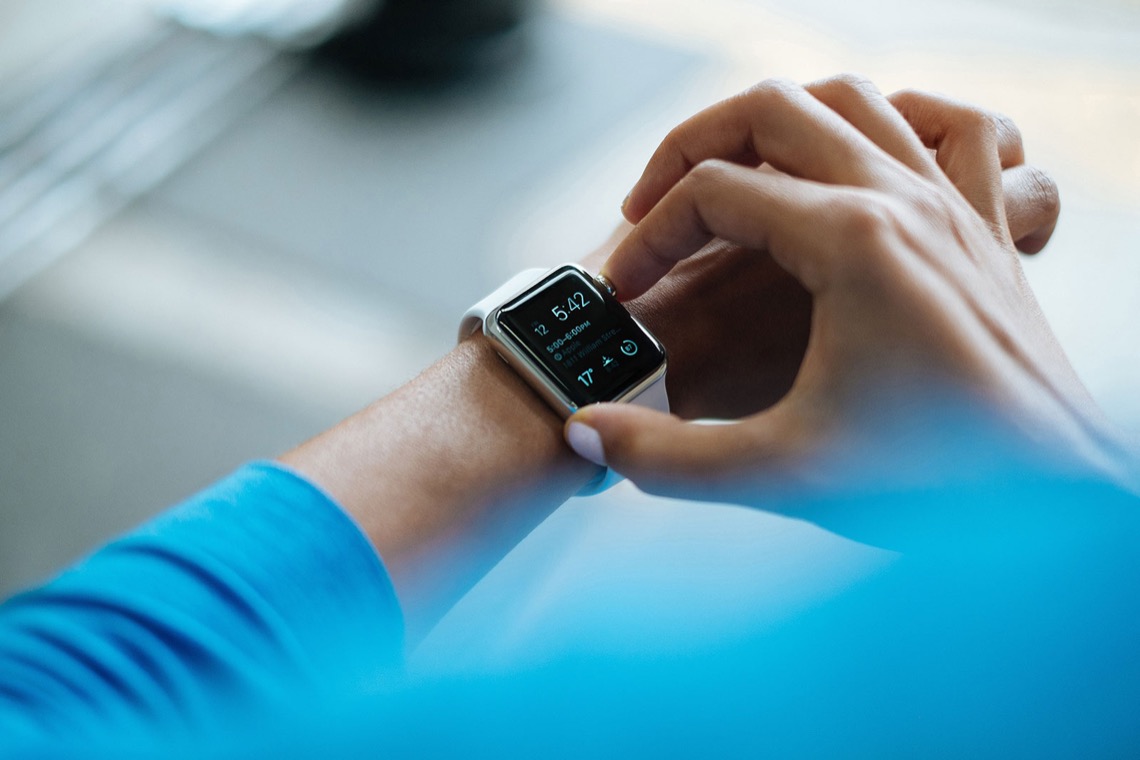
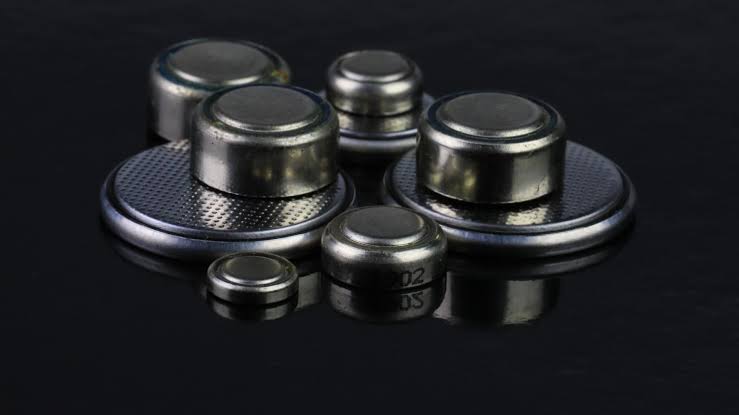
The researchers in the study published in the Nature journal, demonstrated the electrolyte in both pouch and coin cells. Pouch cells are the flat packages commonly used in phones and laptops. Coin cells are small, disk-shaped batteries typically used in devices with lower power demands. The chemistry worked in both formats. In separate durability tests, the zinc-iodine cells kept nearly all their initial storage capacity after thousands of cycles. That matters for grid storage, where batteries must repeatedly absorb surplus electricity from wind and solar farms and release it when generation drops.
The researchers said the electrolyte design could also be adapted for aluminumiodine batteries, giving them another chemistry to explore for stationary storage. Large battery farms currently rely on lithium-ion technology. Waterbased designs could give grid operators another option, but the team still needs to test its electrolyte in larger systems and see how the cells behave under operating conditions closer to those of a battery farm. Those tests would help determine how well the capacity and durability observed in the lab carry over to a larger installation. “I am excited that our new chemistry can help aqueous batteries move one step closer to commercialisation and wide deployment.
Next steps include testing this technology at a larger scale and improving its performance under realistic operating conditions,” said Guanjie He, a professor at UCL Chemistry and the study’s corresponding author. First author, Ruwei Chen said the work also points to a broader challenge in designing rechargeable iodine batteries. “We also need to understand how they interact with the water-based electrolyte and how those interactions change as the battery charges and discharges,” he said.