Researchers Discover Gut Microbe Metabolite That Supercharges Cancer Immunotherapy

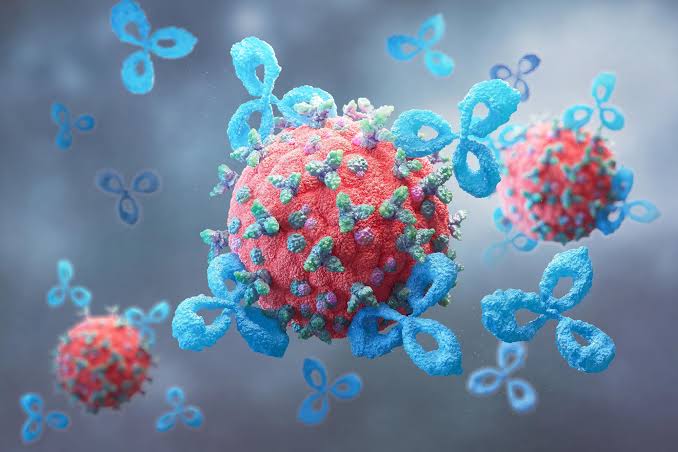
Researchers have discovered a compound made by gut bacteria during the breakdown of dietary fiber that enhances cancer immunotherapy.
In mouse studies carried out by researchers at the University of Michigan, that compound was turned into an oral drug that helped T cells attack tumors more effectively.
The study, published in Nature Nanotechnology, centres on 3,4-dihydroxybenzoic acid, or DHB, a natural microbial metabolite produced in the gut, an approach designed to address a major limitation of immune checkpoint blockade, a cancer treatment that releases natural brakes on the immune system so T cells can recognise and destroy cancer cells. Although checkpoint therapies have transformed cancer immunotherapy, response rates among patients are often low.
“Our gut microbiome produces many beneficial compounds that can be used for new drug development,” said Dr. James Moon, John G. Searle professor of Pharmaceutical Sciences and a member of Rogel Cancer Centre.
“This is the first time anyone has shown that natural microbial metabolites can be developed as a new oral formulation for immunotherapy,” Moon said.
One reason checkpoint immunotherapy can stop working is that T cells gradually lose their ability to kill cancer cells and stop dividing.
Looking for compounds that might counter that decline, the researchers screened several metabolites produced by gut microbes and identified DHB as a promising candidate. The compound is naturally generated as intestinal bacteria break down dietary fiber.
The researchers found that DHB encouraged T cells to develop into memory T cells, which play a central role in cancer immunotherapy. These cells can multiply rapidly and help drive antitumor immune responses.
A prodrug overcame poor absorption
Using DHB directly posed another challenge. Naturally occurring compounds such as DHB are often poorly absorbed and quickly removed from the body.
To improve delivery, the researchers developed a prodrug form of DHB. They enclosed the compound in a protective nanoemulsion shell and converted it into an inactive precursor that becomes active after reaching its target tissues.