

Broadcasters must have the latest tools and tech, stay well-informed on the best strategies for implementing those tools into their workflows, and be capable of adapting to changes in audience habits and preferences at the drop of a hat. Here are the technologies leading sports broadcasters are investing in to stay ahead of the curve to ensure they give fans who can’t make it to the stadium the best seats in the house. How technology is changing the way fans experience stories Modern technology has changed how fans interact with stories, making the traditional passive viewing experience seem far less engaging. New camera systems, technologies, and tools have been adopted quickly and are dramatically shifting audience expectations.
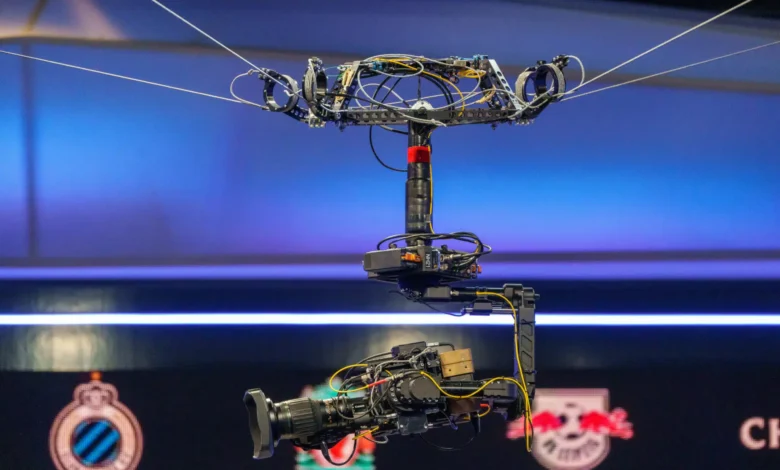
Today, audiences expect a more interactive viewing experience, often one that involves multiple camera angles, integrated data, and customizable interfaces. Here are the top innovations helping sports broadcasters to break new ground. Capturing unique shots Sports broadcasters are in a race for the most unique, compelling, and eyecatching shots. Innovative camera systems help capture the unique moments and energy that audiences at home crave. By expanding the toolkit of shots, angles, and movements your production can capture, you develop your visual vocabulary to communicate more of that on-pitch energy with your audience.
Automated cameras and production workflows Automating your production workflows is one of the significant enhancements you can make to your broadcasts. For example, robotic camera systems allow broadcasters to automate complex movements with accuracy and reliability, while real-time graphics help broadcasters automate overlays and other visual effects in the moment. Data analytics integrations In sport, data drives decision-making at every level—from building a squad right through to training and tactics. As fans’ appetite for deeper tactical knowledge intensifies, data and analytics integrations empower sports broadcasters to deliver live relevant and resonant data that helps to shape a story or emphasise sub-narratives developing in the game.
Advanced real-time graphics Advanced real-time graphics add depth and color to the fan experience. With the rise of video games, esports, and live streaming, viewers expect and demand high-fidelity graphics, 3D models, and real-time statistic feeds— or they will simply turn to the phone screens. AR and XR Sports fans value control over their viewing experience, and extended reality (XR) tools like augmented reality (AR) and virtual reality (VR) give broadcasters an unprecedented ability to customize content. XR technology immerses fans in the game, giving fans more granular influence over visualizations and overlays Hyperconverged routing & processing Hyperconverged technologies are synergy in practice—this is gear that performs the functions of multiple tools without compromising the quality of their output.
These ultraeffective devices boost both the quality and cost-effectiveness of your production. The impact on sports broadcasters While fans of sport represent a diverse, eclectic group, one consensus is clear: broadcast quality is the most crucial factor for fans. But ‘quality’ is a continuously rising bar. Modern audiences expect more from their broadcasters than in previous generations. Audiences want more variety, more information, and more control than ever before. That makes investing in new technologies a must for broadcasters. Keeping up with this change, while staying competitive and meeting budget constraints is a major pressure on sports broadcasters in 2024. Still, sports broadcasters can rise to the occasion with the right combination of high-quality tools and leadership.
Culled from https://www.rossvideo.com/