
A team of researchers have identified three genes connected to a rare form of childhood leukaemia and found that clinically available drugs had a positive influence on these genes in tests on mice, increasing rates of survival.
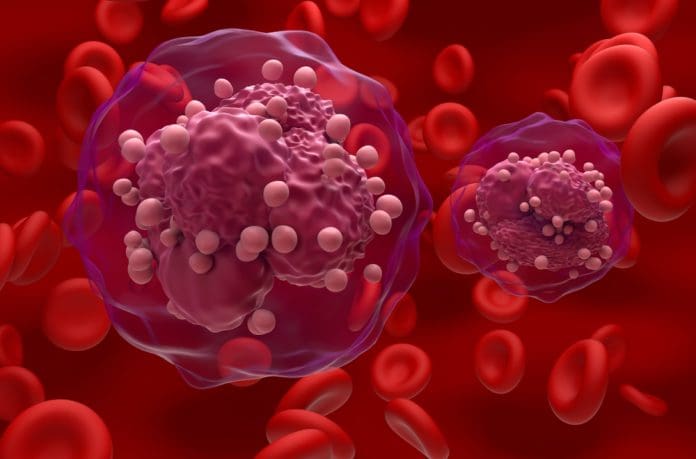
KMT2A AFF1 positive B-cell precursor acute lymphoblastic leukaemia (BCP-ALL) is a rare but severe form of infant leukaemia, caused by changes in the KMT2A::AFF1 gene. Characterised by rapid disease progression, a high risk of relapse and limited treatment options, BCP-ALL requires equally aggressive chemotherapy, although this can in turn cause serious side effects.
BCP-ALL is also the most common genetic driver of leukaemia in infants, occurring in the majority of cases diagnosed in children aged one and under. Acetazolamide and tacrolimus could be alternatives to intense chemotherapy drugs However, research from the University of Edinburgh has shown promise for developing more effective treatments.
In studies on mice, three microRNA molecules (miR194, miR-99b and miR-125a5p) that are found at unusually low levels in BCP-ALL sufferers, were restored and consequently displayed slowed growth and survival of cancer cells. Three genes linked to this specific form of leukaemia were found to be impacted by existing clinical drugs that could could block the gene activity.
These included acetazolamide (commonly used for glaucoma and seizures), tacrolimus (prescribed for eczema and psoriasis) and LB-100 (an investigational drug used to treat certain brain, lung and ovarian cancers). In pre-clinical studies, all three drugs showed strong antileukaemic effects, significantly reducing the burden of disease.
The research team, which also included scientists from the Princess Máxima Center for Pediatric Oncology in The Netherlands, strongly emphasised the need for further studies and clinical trials to confirm the safety and effectiveness of these treatments in patients.
Reducing the burden of cancer treatment on young patients, acetazolamide could potentially replace reliance on cytarabine, a chemotherapy drug with harsh side effects, including hair loss, ulcers and neurological issues such as aphasia and problems with motor control.