
The study focused on the intestinal microbiome, the vast community of bacteria that has evolved alongside humans and helps with digestion, immune function, and other essential processes. Antibiotics are among the most commonly prescribed medicines worldwide, but they can kill beneficial bacteria as well as harmful ones. In some cases, that disruption allows potentially dangerous species to gain an advantage. A diverse microbiome is generally better able to resist the expansion of harmful pathogens. Antibiotic treatment can reduce that diversity, leaving the gut ecosystem more vulnerable to disease, according to the researchers.
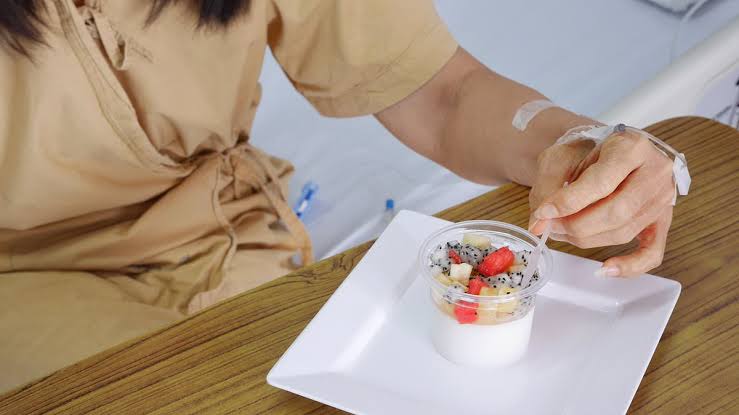
Researchers from NYU Langone Health, City of Hope, and Memorial Sloan Kettering closely monitored 9,419 meals consumed by 173 hospitalised cancer patients and tracked changes in their gut microbiomes. For every additional 100 grams of sugar eaten during the 48 hours before treatment, the researchers observed an additional 21 percent decline in alpha diversity, a measure of the variety of beneficial bacterial species found in the gut. The findings, published online in the journal, Nature, on September 30, 2026, also showed that sugary diets combined with antibiotic treatment were associated with increases in Enterococcus faecium among patients. This bacterial species has been linked to infections that can be difficult to treat.
Mouse experiments produced a similar result. Animals exposed to the antibiotic biapenem while consuming dietary sucrose experienced a 16.3-fold increase in the gut Enterococcus population by day 3 of the study. By day 6, the bacterial burden was 33.4-fold higher. “As we are learning how collateral damage of antibiotics to the microbiome are linked with long-term health problems, it’s important to identify factors that limit these unintended health risks,” said the study’s co-senior author and assistant professor in the Department of Microbiology at NYU Langone, Jonas Schluter. “Our study, which used more than 9,000 recorded meals, suggests that modifying diet during and after antibiotics, specifically by reducing sweets intake, could help with that,” Schluter said.
The team focused on people with blood cancers because these patients frequently receive antibiotics and their food intake can be monitored closely during hospitalisation. Researchers recorded what patients ate at every meal and collected microbiome samples each day. That combination of detailed diet records and daily biological sampling made the project one of the largest and most detailed studies of its kind to date. “The microbiome is emerging as an important factor in cancer care,” said co-senior study author and chief physician executive at City of Hope, Marcel van den Brink.
“For patients undergoing intensive treatments such as bone marrow transplantation, the healthy diversity of the gut microbiome can have important implications for outcomes. Studies like this help us better understand how everyday factors, including diet, may affect a delicate balance that influences how patients respond to treatment, recover, and experience side effects,” he added. Patients with blood cancers who receive stem cell transplants are often hospitalised for several weeks while undergoing chemotherapy and antibiotic treatment. During that period, both their diets and their gut microbiomes can change dramatically