
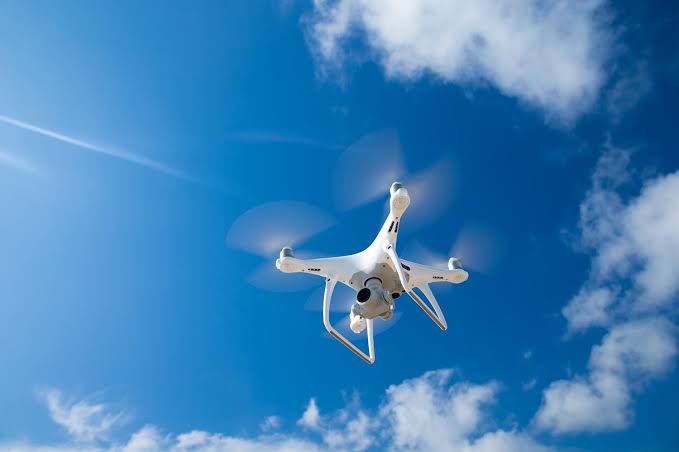
Drones are increasingly at risk of colliding with commercial aircraft, causing almost two-thirds of all near midair collisions near the 30 biggest U.S. airports in 2024. This is partially due to the increased number of drones in use. As of 2026, there are more than 800,000 registered drones in the national drone registry. Commercial aircraft and drones began having close calls around 2013, when drones first started to become popular. The incidents rose sharply after that, and they still remain a safety concern today. More drones in the air mean more potential problematic encounters and near-misses between the drones and planes. “Drone operators should avoid flying near airports because it is difficult for manned aircraft to see and avoid a drone while flying,” the FAA website states.
“Remember that drone operators must avoid manned aircraft and are responsible for any safety hazard their drone creates in an airport environment. For flight near airports in controlled airspace, drone operators must receive an airspace authorization prior to operation. Airspace authorizations come with altitude limitations and may include other operational provisions.” In January 2025, the drone maker DJI decided to turn off its automatic geofencing, which prevented drones from flying into restricted airspace, and replaced it with data sets from the FAA that merely alert drone pilots when they are entering restricted spaces.
Also complicating the issue is that the FAA does not have a dedicated system that can detect drones without interfering with commercial aircraft. To prevent collisions, the FAA rules require authorization for drone flights in controlled airspace near airports, and some aviation authorities also use detection systems that can alert operators to the presence of a drone. The current number of near-collisions is tough to pin down, as FAA data on drone-aircraft encounters is limited and difficult to verify. Ultimately, the FAA website says that “anyone flying a drone is responsible for flying within FAA guidelines and regulations. That means it is up to you as a drone pilot to know the rules of the sky, and where it is and is not safe to fly.