400,000 Missions Later, Robot Dogs Are Changing How the Military Protects Bases

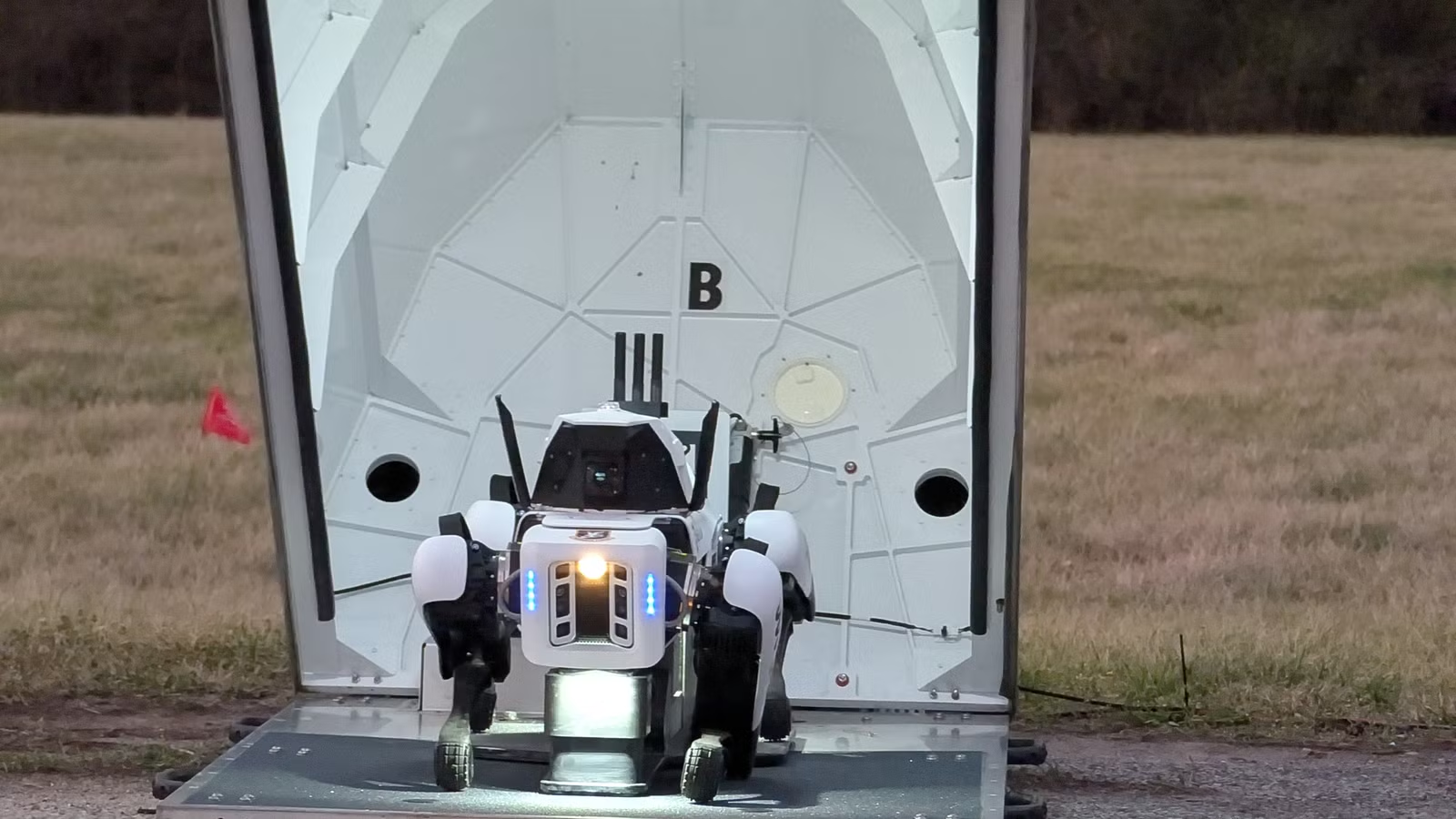
Now, robotic dogs and autonomous drones are starting to fill that gap. Asylon, a Pennsylvania-based security robotics company, says its systems are already operating at multiple U.S. military installations. The company reports more than 400,000 autonomous missions covering about 250,000 miles across its military and commercial work. In an interview with http://Military. com, Asylon CEO Damon Henry said the technology has moved beyond demos and is now part of daily security operations. “It’s just really hard to protect lots of miles of fence line,” Henry said. Instead of replacing military police, the robots are designed to handle repetitive and potentially dangerous patrols. Robotic dogs walk designated routes, while drones provide aerial surveillance. Operators can change patrol patterns to make coverage less predictable. The systems send video and sensor data back to security personnel, so they can see what is happening in an isolated area before responding.
That experience has revealed more activity than expected. Henry said the company is catching incidents weekly, if not daily, across the country – ranging from theft and trespassing to fires and attempted arson. Those figures include commercial sites like power utilities and logistics centers, not just military bases. About half of Asylon’s business is government and military, the rest is commercial. The goal, Henry says, is not to eliminate airmen, but to change how they spend their time. Robots handle routine observation, while personnel focus on evaluating threats and responding. “Go focus on other things that are more critical,” he said. Cost remains a challenge. Henry estimated Asylon’s fully managed service costs about $250,000 per year, plus installation.
Whether it saves money long term will depend on deployment needs and measurable security improvements. Asylon is also working with the Air Force on autonomous aircraft inspections, including inspecting the tops of aircraft where maintenance personnel would otherwise need scaffolding. “That’s the most dangerous inspection point for the airman being up that high,” Henry said. Henry expects autonomous security systems to expand to more installations over the next 18 months. The biggest change may not be the robots themselves, but the ability to maintain a more persistent security presence across installations that have always been difficult to protect.
Source: http://Military.com / Defense Technology & Innovation