
Amnesty International demands Shell’s accountability for environmental pollution in N’Delta

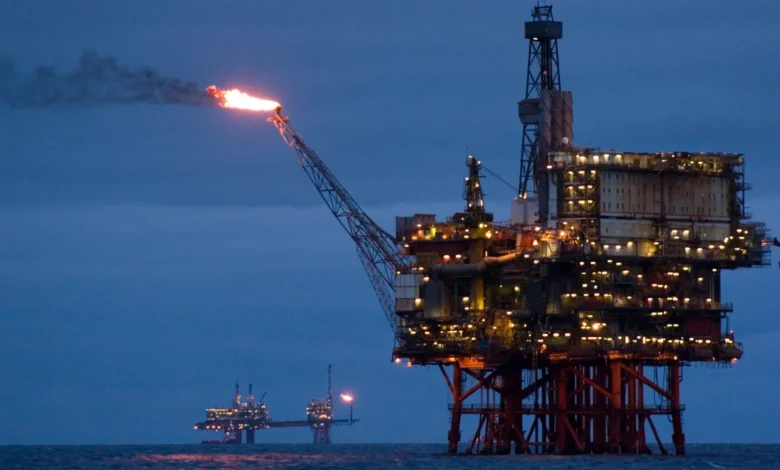
Amnesty International and its partners have called on oil giant, Shell Plc, to answer for pollution in Nigeria’s Niger Delta region.
The international organisation in a statement last week insisted that Shell must answer for decades of pollution in the oil-rich region after internal company documents revealed broken rules, failing infrastructure and unresolved clean-up costs that risk leaving affected communities to pay the price.
Amnesty in a new report on the environmental impacts and human rights implications of Shell operations in the Niger Delta, titled ‘Nigeria: Lifting the Lid,’ jointly released by a coalition of eight human rights and environmental organisations, including The Corner House, Hawkmoth, HEDA Resource Centre, Kebetkache Women Development & Resource Centre, Miideekor Environmental Development Initiative (MEDI), ReCommon, and Social Action, analysed confidential Shell emails, technical audits, presentations and internal reviews disclosed during ongoing legal proceedings in the UK.
The report alleged that Shell knew of serious integrity failures in its pipelines and oil wells, exempted its Nigerian subsidiary from some internal safety standards, and delayed decommissioning ageing facilities despite acknowledging the environmental risks.
The organisations said 27 redacted documents released in April 2026 became public following a suit filed by the Ogale and Bille communities in the UK in 2015 against Shell Plc and its Nigerian subsidiary, SPDC, over serious oil pollution. The Bille case is due to be heard in March 2027.
These documents, according to the partners, exposed Shell’s failure to maintain wells and pipelines, which led to oil pollution in the Niger-Delta. They said the pollution constituted human rights violations in communities, such as damaged water, farmland, fisheries, health and livelihoods.
According to the organisations, the failures include basket pipelines, missing wells, and 375 km² of mangrove forest harmed by pollution.
To cap it all, the company “decided to divest its onshore business rather than face the enormous cost of clean-up and decommissioning, including an internal US$10.9 billion decommissioning estimate,” the environmental and human rights groups stated.
The statement quoted Isaac Osuoka, Director at Social Action, as saying, “Shell’s divestment cannot become a corporate escape route. After decades of profiting from Niger Delta oil, Shell must not transfer the risks of ageing infrastructure and legacy pollution to communities or to a buyer whose capacity remains in serious doubt. It must pay its fair share whether or not it has the ‘appetite’ for accountability.”
Chairman of the HEDA Resource Centre, one of the partners behind the new report, Olanrewaju Suraju stated that “Shell cannot be allowed to take the oil, take the profits and leave the pollution behind. Communities in the Niger Delta deserve truth, justice, clean-up and full remedy.”
The ongoing UK litigation has received attention from different parts of the world, revealing that Shell’s leadership was no stranger to the hazards from unmaintained pipelines.
In June, findings obtained by the BBC through the ongoing litigation in the United Kingdom, including emails, technical assessments and internal presentations, showed that Shell executives repeatedly expressed concerns about the safety and condition of the Nembe Creek Trunk Line (NCTL), a key pipeline transporting crude oil from inland oilfields to export facilities.
Shell insisted on its innocence
Amnesty International recalled writing to Shell on July 3 and receiving a response from the company, which denied wrongdoing.
“The characterisation and portrayal of Shell in your letter is not one we recognise. Shell is committed to honesty, integrity and respect for people, and to conducting business ethically and transparently,” excerpts of Shell’s reply reproduced by Amnesty International read.
However, the director of Amnesty International, Isa Sanusi noted that for a long time, Shell blamed oil pollution on oil theft and sabotage to absolve itself of taking responsibility.