Intuitive Receives EU’s CE For Its Single-port Robot For Gynecologic Procedures

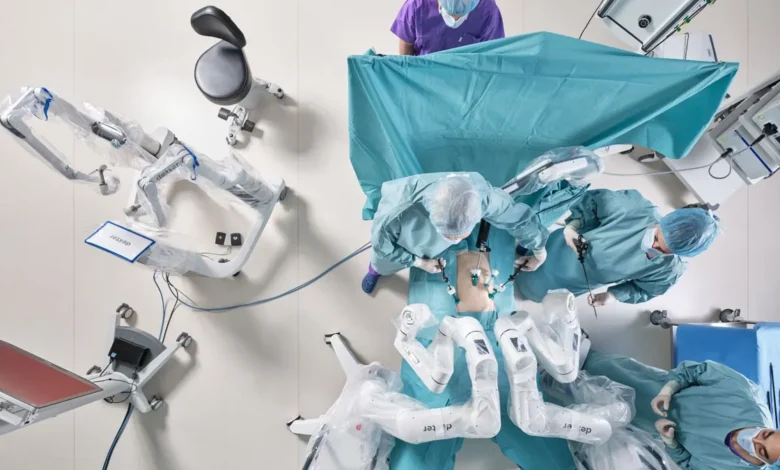
Global medical technology leader, Intuitive has announced receiving Europe’s CE mark for its single-port da Vinci robot in transvaginal gynecologic procedures. Intuitive builds robotic systems to help doctors perform minimally invasive surgeries on patients with fewer physical limits.
The CE mark expands on the clearance Intuitive received in January 2024, when it secured the green light to market the da Vinci SP system in Europe for use in a range of surgical procedures. The company has worked to expand use of the robot globally, including by securing clearance for US use in inguinal hernia repair, gallbladder removal and appendectomy procedures.
Intuitive’s original CE mark covered the use of da Vinci SP in endoscopic abdominopelvic, thoracoscopic, transoral otolaryngology, transanal colorectal and breast surgical procedures. The original CE mark allowed physicians to enter through a single incision or insert instruments through the mouth or anus. Under the new CE mark, physicians can also access gynecologic surgical sites via the vagina.
Procedures covered by the new CE mark are “less invasive, scarless surgery approaches,” Tilman Schlick, vice president of medical affairs and medical officer at Intuitive in Europe, said in a statement. Transvaginal gynecologic procedures could “shorten recovery times and enhance patients’ experience as they return to their daily lives,” Schlick added.
The single-port robot is a growth product. Last year’s 39 percent year-over-year increase in the installed base and 29 percent rise in utilisation contributed to an 87 percent jump in procedures. Growth continued in the second quarter, when Intuitive placed 38 da Vinci SP systems and boosted procedures by 61 percent. New placements, which were up from the 23 SP robots Intuitive sold in the second quarter of 2025, increased the installed base to 445 systems.
Intuitive has fuelled growth of the robot by expanding into more procedures and receiving clearance for its single-port robotic surgery stapler last year. The company has named the U.S. and Korea as growth markets for the technology.
While adoption of da Vinci SP has increased in recent years, Intuitive’s multi-port robot design remains the cornerstone of the business. The single-port robot accounted for less than 10 percent of da Vinci systems placed in the second quarter.