Fi Europe 2026: GLP-1 Needs and Personalisation Drive fibre and Protein Innovations

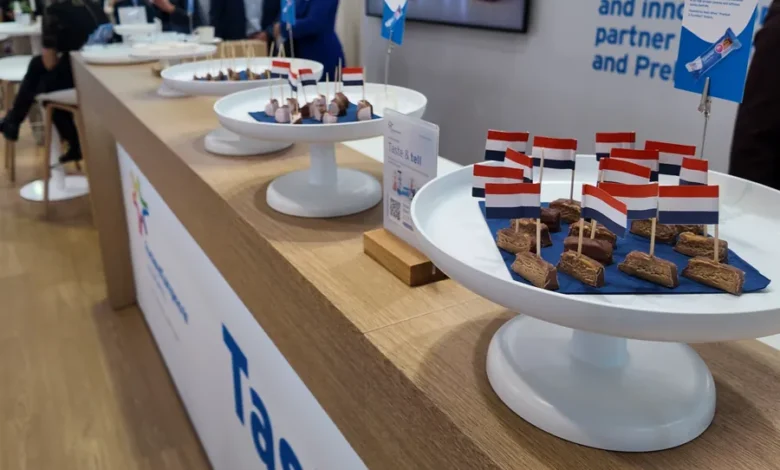
On the show floor, Nutrition Insight met with Valio, ADM, Prinova, Ingredion, and Bioiberica to discuss how GLP-1-related nutritional needs and personalisation are driving demand for highfiber, high-protein products in functional food and beverage formats. Sinikka Saikkonen, senior business development manager at Valio, highlighted several topics shaping consumer needs in dairy and nutrition. “First, consumers expect more per bite. They want to maximize the nutrients and health benefits they obtain from the food they buy and eat, so they’re very careful to choose food and drinks that are really worth it. “Second is getting enough high-quality protein,” she added. “In consumers’ minds, the focus is moving beyond protein quantity to protein quality. Dairy offers a good opportunity here, because it contains the most complete protein.”
A third consumer demand Saikkonen pointed to is a need for sustained energy. She noted that consumers lead busy lives and need sustained energy to keep going throughout the day. Senior marketing director at ADM, Bastian Hörmann added that anti-obesity medications such as GLP-1 therapies are driving personalised nutrition due to the needs of people taking these drugs. “They need to retain muscle, so they need a higher protein intake as they lose body fat and weight. They need to stay hydrated, which can be hard because drinking water makes you feel full, and in general you feel fuller faster.” He said that supplements to support the body are a “huge space,” such as fiber for digestive health for consumers during or after GLP-1 medication.
“That’s where food and beverage companies are reformulating, or I’d even say renovating, their products toward those needs and more functional, personalized nutrition: high in fiber, high in protein, and of course lower in sugar and calories,” Hörmann detailed. “Convenience also matters, such as products that are easy to prepare and come in smaller portions. Those are the big topics at the moment.” Rate of reformulation ADM is observing a change in the pace of reformulation, said Hörmann. He pointed to several trends driving this speed, such as consumers demanding more personalised nutrition, higher protein, and added fiber, with GLP-1 medications and social media influencing innovations and product launches.
“That’s changing the pace of innovation,” said Hörmann. “In past years, 18 months might have been an average innovation cycle for a product. Now there are predictions that this will shrink to a few weeks, partly because of what we can use AI for: formulation development, testing, and learning.” He also said government regulations, such as sugar taxes, are changing the pace of reformulation as these help create new nutrition products. “Nutrient density is of high importance,” underscored Hörmann. “That’s why reformulation needs to accelerate, so we can help customers and consumers get what they need. Those needs are much more specific than in the past, which is another reason the pace is changing.” “Fi Europe and this environment help create new innovations faster.
The exchange between companies at the venue also helps everyone understand future consumer needs. With the conference theaters and insights from data and industry partners like Innova Market Insights, it all comes together to understand the bigger picture.”