

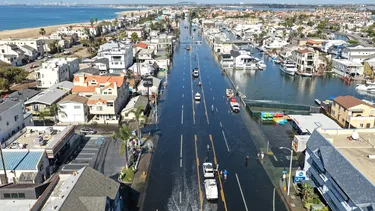
According to an Associated Press report, the 2026-2027 El Niño is projected to be the strongest event in the instrumental record, driving record global heat and severe environmental stress. A seasonal forecast model reported in The Climate Brink puts the event’s peak at around 4.1 deg C in the Niño 3.4 region, which significantly eclipses the prior record set during the 2015-2016 event. While mainstream meteorological commentary focuses primarily on rising temperatures, the true gravity of this phenomenon lies in its intersection with a fragile global energy landscape.
A Wood Mackenzie report said the onset of these severe conditions arrives just as the energy industry grapples with shifting power generation yields, volatile gas demands, and acute maritime bottlenecks. This unfolding crisis is not merely a seasonal weather anomaly, but an environmental multiplier that directly threatens power grids, fuel supplies, and industrial operations across multiple continents. The vulnerability of the modern energy system is heavily exposed by the simultaneous escalation of military conflict in the Middle East and maritime restrictions in critical trade corridors.
The ongoing Iran war and the effective disruption of transit through the Strait of Hormuz have severed critical flows of oil, Liquefied Natural Gas (LNG), and vital fertiliser components. The Strait of Hormuz carries crude oil equal to about 20 per cent of world supply and serves as the primary maritime outlet for LNG exports from Qatar and the UAE.
As these energy pathways face repeated restrictions, global gas markets have experienced sharp volatility, with European benchmark TTF gas trading up significantly since July. This energy shock trickles directly down into the foundational economics of global agriculture, primarily through the production of chemical fertilisers. Nitrogen fertilisers depend heavily on natural gas both as a chemical feedstock and as a direct fuel source for industrial manufacturing processes. Gulf producers traditionally account for roughly 29 percent of global urea trade, making regional geopolitical instability an immediate threat to international crop nutrition.
Furthermore, sulphur, which is a critical intermediate for phosphate fertilisers recovered from sour natural gas and crude oil, has faced extreme supply constraints. An S&P Global report said about 47 per cent of global sulphur trade normally passes through the Strait of Hormuz, and benchmark prices surged to historic highs as exports dropped sharply year over year. Phosphate producers in regions, such as Morocco, were consequently forced to scale back operating rates by up to 30 per cent to manage raw material scarcity.
Simultaneously, the loss of millions of barrels per day of tradeable diesel exports from the Middle East and Russia has severely squeezed farm operating margins worldwide. Refinery constraints and export restrictions have driven the price spread between crude oil and diesel to unprecedented levels, forcing agricultural producers to ration fuel and essential nutrients.
Weather-dependent energy assets face complex operational challenges as the super El Niño alters historical wind, solar, and hydrological baselines across key global markets. El Niño conditions create mixed outcomes for renewable power generation, generally proving bearish for solar output across most of the world while causing localised disruptions. In the US, historical patterns indicate that milder winter conditions in the northern regions reduce natural gas heating demand and place downward pressure on consumer energy prices. However, severe droughts driven by El Niño can severely impair hydroelectric generation capacity, as witnessed during previous events in China, India, and Latin America.
Maritime logistics face compounding pressures as low water levels restrict transit through vital infrastructure like the Panama Canal. During previous dry periods, the Panama Authority enforced strict draft limits on Neopanamax locks, forcing liquefied natural gas carriers heading for Asian markets to seek alternative routes around the Cape of Good Hope. These detours add weeks to transit times and keep global shipping and operational costs elevated for energy operators. Despite these physical and logistical headwinds, some regional electricity markets demonstrate unexpected resilience against weather anomalies. Research focused on Australia’s main electricity market indicates that El Niño has a surprisingly neutral impact on the overall balance between electricity demand and utility-scale renewable generation.
The averaging out of geographic diversity across vast regional networks, combined with increased solar photovoltaic output during specific months, helps offset the spikes in air-conditioning demand. Nevertheless, grid operators cannot rely on broad macro climate indicators to accurately forecast short-term wind speeds and solar radiation levels at turbine hub heights. The energy sector’s long-term operational security increasingly demands advanced predictive modelling tools that can translate broad macro-climatic phenomena into precise, asset-level meteorological forecasts. The confluence of extreme weather, high fertiliser costs, and constrained fuel supplies creates significant macroeconomic risks for governments and industrial players.
As agricultural input costs rise, farmers face difficult choices regarding whether to reduce fertiliser application rates or decrease planted acreage for staple crops such as corn, rice, and soybeans. Rainfed grains and oilseeds in Brazil and Australia face the highest exposure to potential yield losses if El Niño-induced droughts materialise as projected. Furthermore, high global energy prices have strengthened the commercial viability of biofuels, driving agricultural commodities like palm oil and rapeseed away from human food consumption and into industrial fuel tanks. This fierce competition between food security and energy policy adds robust demand-side support to commodity markets that are already buckling under extreme supply-side pressures.
Central banks and fiscal authorities must navigate the complex inflationary second round effects of rising food and energy prices acting simultaneously on consumer price indices. Governments across developing nations are forced to allocate billions of dollars towards emergency food and fertiliser subsidies to prevent widespread social unrest. These fiscal interventions strain national budgets and increase sovereign debt burdens in countries that possess the least economic resilience to external shocks. Industrial operators across the oil, gas, and power sectors are actively revising their risk management frameworks to account for the growing frequency of synchronised global crises.
Energy executives can no longer treat meteorological forecasts and geopolitical conflicts as isolated operational variables. Maintaining business continuity in an increasingly volatile world requires robust supply chain diversification, strategic inventory buffers, and proactive capital allocation. The coming months will thoroughly test the resilience of global energy and agricultural infrastructure as the most powerful El Niño in recorded history reaches its peak.