Microsoft Invests $5m In ALERTCalifornia AI System For Earlier Detection Of Wildfires

Microsoft is investing $5 million in ALERTCalifornia, a UC San Diego programme using artificial intelligence (AI) and a statewide network of cameras to detect California wildfires at an early stage. The funding is intended to strengthen the technology behind the system and support its expansion and includes $2 million for in-kind technology development and a $3 million Azure grant. Microsoft’s AI for Good Lab is working with ALERTCalifornia to improve its wildfire detection capabilities and explore how the technology could support communities facing increasingly complex natural disasters.
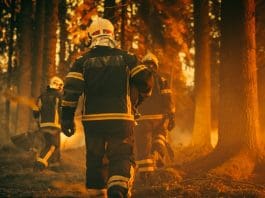
The collaboration is aimed at giving firefighters more time to respond to California wildfires, with the AI system capable of identifying smoke and potential fires before they are reported to emergency services. The AI tool analyses millions of images every day, helping emergency personnel identify developing incidents and assess their location.
Wildfire is a natural part of California’s environment, but the risks associated with the natural disaster have increased as communities have expanded into fire-prone areas and periods of hot, dry weather have become more challenging. As the California wildfires become harder to manage, early detection is particularly important when fires begin in remote or difficult-toaccess terrain. Traditionally, a wildfire might only be identified after smoke was spotted by a member of the public, a lookout or another person in the area.
ALERTCalifornia, a programme a established by UC San Diego, is aimed at shortening that delay with a statewide network of more than 1,300 high-definition cameras positioned across fire-prone areas. The cameras provide continuous monitoring and can rotate through 360 degrees approximately every two minutes. The system provides emergency services with another source of information when responding to wildfires in California, potentially allowing crews to assess a developing fire before it becomes a larger incident.
The technology continuously analyses images captured by the camera network, looking for visual signs that could indicate smoke or fire. AI is used to distinguish potential wildfire activity from changes in the environment that could otherwise trigger false alarms, such as clouds, fog or changing light conditions. When the system identifies a possible incident, emergency personnel can review the information and verify whether a fire is present. The system, developed through a collaboration involving ALERTCalifornia, CAL FIRE and wildfire technology company, DigitalPath, is available across all 21 CAL FIRE dispatch centres in September 2023.
During its first season, the system detected more than 1,200 fires and identified incidents before they were reported through 911 more than 30 percent of the time. Microsoft said the technology now processes more than seven million images each day and can detect some wildfires as much as 2.5 hours before the first 911 call. Turning earlier detection into action The value of the technology is not that AI replaces firefighters.
Instead, it provides them with information earlier in an incident, potentially improving both response times and decision-making. Once a potential fire is detected, emergency personnel can use the camera network to verify its location and monitor how it develops. Multiple camera angles can provide a wider view of the surrounding landscape, helping crews understand what they may encounter when they arrive.
That additional time can be critical for California wildfires capable of spreading quickly. A L E R T C a l i f o r n i a ’ s technology in August 2023 helped support the response to the Trotter Fire in Kern County, which was contained at 52 acres. The programme’s data is also being used beyond the initial response to wildfires. ALERTCalifornia is developing detailed digital information about California’s landscape, including terrain and forest conditions, to help researchers understand how areas change before and after disasters.
Microsoft’s $5 million investment is intended to support the next stage of ALERTCalifornia’s development, combining the programme’s environmental and wildfire expertise with Microsoft’s cloud and AI capabilities. The partnership could also provide a model for other regions dealing with wildfires and similar natural-disaster risks. By making earlier detection possible and combining AI analysis with human decisionmaking, the technology is intended to help emergency services act before a small fire has the opportunity to become a much larger crisis.