

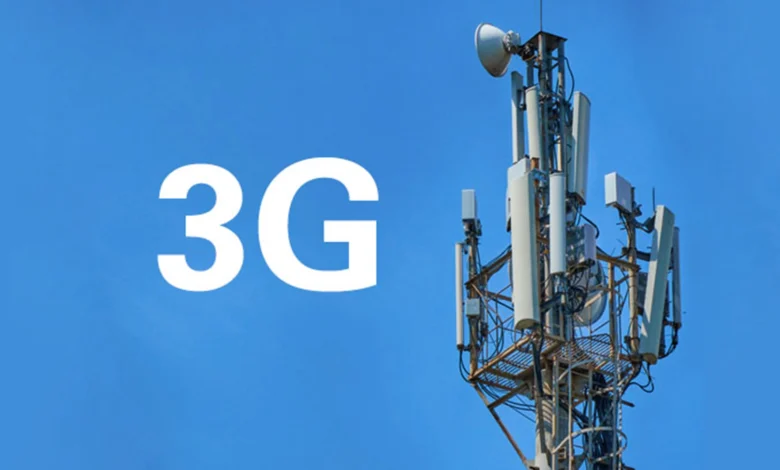
Nigeria is fast dropping the legacy 3G technology, and pivoting strategically towards 4G and 5G networks, with China powering the navigation.
The latest review of the telecoms sector in Q1 by leading global network intelligence and connectivity testing outfit, Ookla, on behalf of the Nigerian Communications Commission (NCC), revealed a country rapidly clearing its digital “fast lanes,” ensuring millions of citizens gain access to faster, more reliable connectivity.
Specifically, the latest industry insight, released yesterday by the NCC, showed that operators are retiring the 900MHz 3G band, particularly in rural states such as Sokoto, and reallocating resources to the 1800MHz and 2100MHz 4G bands.
These “highways” balance speed and coverage, unlocking essential services like e-learning and digital payments for communities previously constrained by slower networks.
Ookla disclosed that Airtel and MTN had spearheaded this migration, drastically reducing reliance on outdated spectrum and setting the pace for nationwide modernisation.
Investigation showed that as of Q1, 4G has 53.76 penetration; 2G, 36.74 per cent; 3G, 5.30 per cent and 5G, 4.20 per cent. However, during a meeting in Lagos, the NCC EVC, Dr Aminu Maida puts 5G penetration in the country at 14 per cent, and usage at five per cent.
According to the document, at the heart of Nigeria’s next generation connectivity is the n77 (3.5 GHz) band. Dubbed the “fast lane,” it is delivering speeds up to 10 times faster than average 4G. Since late 2025, 5G test volumes have surged by 44 per cent, with Airtel and MTN leading adoption.
In urban centres such as Lagos and Abuja, download speeds now exceed 250Mbps, redefining the digital experience for work, gaming, and streaming. The NCC emphasised that consumers must adopt devices compatible with the n77 band to fully benefit from this revolution.
While Lagos and the Nigerian capital, Abuja, continue to set benchmarks for performance, rural states remain in transition. Sokoto and Imo still show higher reliance on 3G, limiting access to modern applications.