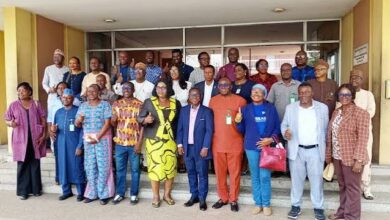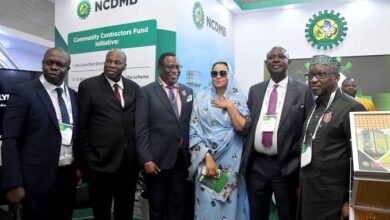


Speaking at the recent preconference workshop organised by the Nigerian Association of Petroleum Explorationists (NAPE) in Lagos, PTDF’s executive secretary, Prof. Shu’aibu Aliyu noted that Nigeria must prioritise a highly skilled workforce capable of sustaining petroleum operations, driving technological innovation and supporting the changing energy landscape. Prof. Aliyu observed that hydrocarbons remained indispensable to meeting global energy demand despite the pursuit of decarbonisation and cleaner energy sources, adding that Nigeria needed to develop its resources efficiently, sustainably and competitively.
According to him, the quality of the country’s human capital would be critical to the future of its energy industry. Represented at the event by the PTDF’s general manager, Strategy, Planning and Documentation, Rowena Akhere, the executive secretary disclosed that the fund had invested in postgraduate scholarships, institutional strengthening, research funding, laboratories, researchers and university infrastructure, but the changing demands of the industry required a shift from academic qualifications alone to practical competencies aligned with industry standards.
As part of this approach, he identified the fund’s ongoing development of specialised facilities in Kaduna and Port Harcourt as efforts to strengthen advanced education and practical skills acquisition. He pointed at the General Sheikh Moussa Yar’Adua University of Geological Sciences and Engineering Technology in Kaduna which designed to strengthen postgraduate education in geology, engineering and energy, and the Centre for Skills Development and Training in Port Harcourt which is established to equip technicians, artisans and other workers with practical oil and gas skills, noting that the facilities would provide hands-on operational training and exposure to industrystandard technologies to prepare Nigerian professionals for opportunities across the petroleum industry and emerging energy sectors.
Aliyu also stressed the importance of partnerships with industry, including global oilfield services companies and technology providers, to align training with industry requirements and support internationally recognised certifications. For PTDF, developing the technical expertise required to support the industry also involves research and innovation. Aliyu identified enhanced oil recovery, marginal field development, methane emission reduction, carbon capture, utilisation and storage, gas monetisation, digital energy technology and renewable energy development as areas requiring continued research and collaboration. He added that Nigeria needed expertise in artificial intelligence, data science, robotics, automation, cybersecurity, petroleum engineering and other emerging energy technologies to respond to changing industry demands.
He urged the government and industry stakeholders to deepen investment in competency-based training, strengthen industry-academia collaboration, expand practical skills centres and support research commercialisation. He also called for greater participation of young Nigerians and women in the energy workforce, alongside sustained government support for human capital development. “The future of Nigeria’s oil and petroleum industry will not be determined solely by the size of our reserves. It will be determined by the quality of our people,” he said.
Also speaking at the preconference, chairman of the Board of Directors of Energia Limited, George Osahon highlighted opportunities to increase the value of mature oil assets through further exploration, improved recovery and incentives for investment. Osahon, who focused on maximising the value of existing petroleum infrastructure and extending the productive life of mature oil assets, said mature assets could offer further development opportunities even after years of production, noting that existing facilities should not be abandoned when they could support additional exploration and recovery. He identified opportunities in areas including bypassed prospects, recovery gaps and deeper exploration, arguing that companies should examine what remained untapped within existing fields and determine how to optimise available infrastructure.