
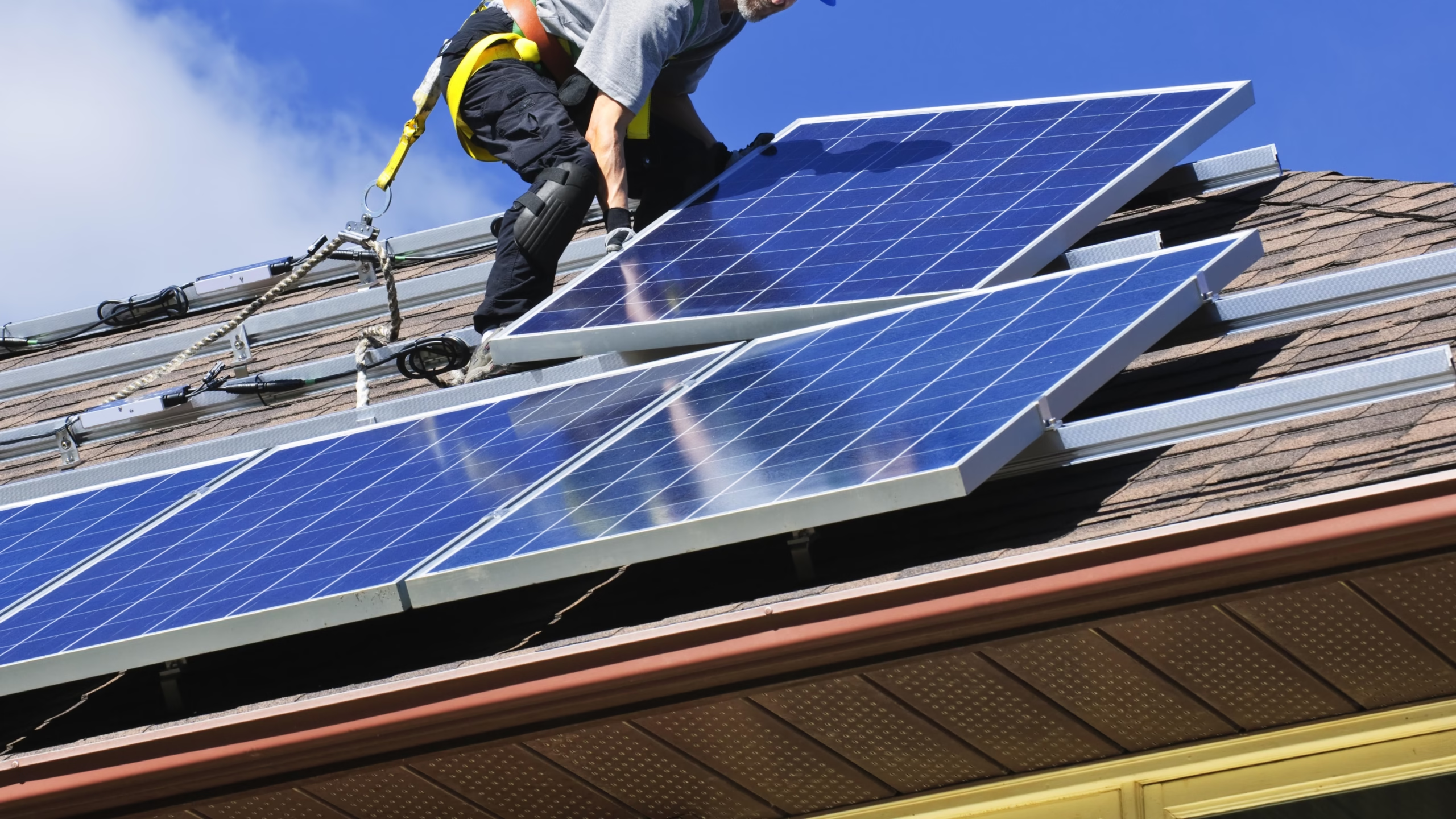
As the demand for reliable and sustainable energy solutions continues to grow, more homes and businesses are investing in solar power and backup energy systems. One of the most important components of any solar installation is the inverter.
The inverter converts the direct current (DC) generated by solar panels or stored in batteries into alternating current (AC), which powers electrical appliances. However, not all inverters are designed the same way.
The two major categories available today are hybrid inverters and non-hybrid inverters. Understanding the differences between these two technologies can help consumers make informed decisions based on their energy needs, budget, and long-term goals.
As the demand for reliable and sustainable energy solutions continues to grow, more homes and businesses are investing in solar power and backup energy systems. One of the most important components of any solar installation is the inverter.
The inverter converts the direct current (DC) generated by solar panels or stored in batteries into alternating current (AC), which powers electrical appliances. However, not all inverters are designed the same way.
The two major categories available today are hybrid inverters and non-hybrid inverters. Understanding the differences between these two technologies can help consumers make informed decisions based on their energy needs, budget, and long-term goals.
What Is a Hybrid Inverter? Hybrid Inverter vs. Non-Hybrid Inverter: Understanding the Difference A hybrid inverter is an advanced energy management device that combines the functions of a solar inverter and a battery inverter in one unit.
It can receive electricity from solar panels, store excess energy in batteries, and draw power from the utility grid when necessary. The main advantage of a hybrid inverter is its ability to intelligently manage multiple energy sources.
During the day, it can power household appliances directly from solar energy while simultaneously charging the batteries. At night or during power outages, the stored battery energy can be used to keep essential appliances running.
Hybrid inverters are designed to maximize energy efficiency and reduce dependence on the national grid or generators. Many modern hybrid inverters also include smart monitoring systems that allow users to track energy production and consumption through mobile applications.
What Is a Non-Hybrid Inverter? A non-hybrid inverter, sometimes called a conventional inverter, is primarily designed to convert battery power into usable electricity. These inverters are commonly used for backup power applications in homes and offices.
Unlike hybrid systems, non-hybrid inverters generally do not have integrated solar charge controllers. Although some models can be connected to solar panels with additional accessories, they are not specifically designed to manage multiple power sources simultaneously.
Non-hybrid inverters mainly rely on electricity from the grid or generators to recharge their batteries. When a power outage occurs, the inverter automatically switches to battery mode and supplies electricity to connected appliances.
These inverters are popular because they are relatively affordable and easy to install. For households that only need temporary backup power during blackouts, a non-hybrid inverter can be an effective solution.
Key Differences Between Hybrid and NonHybrid Inverters One of the biggest differences between the two technologies is solar integration. Hybrid inverters are specifically built to work with solar panels and batteries, while non-hybrid inverters often require additional components to support solar charging. Another major difference is energy management.
Hybrid inverters can intelligently prioritize solar energy, battery power, and grid electricity based on availability and user preferences. Non-hybrid inverters have a much simpler operating system and primarily focus on providing backup power.
Battery management is also more advanced in hybrid systems. Most hybrid inverters use sophisticated charging algorithms that improve battery performance and extend battery lifespan. Non-hybrid inverters generally provide basic charging functions.
In terms of cost, hybrid inverters are more expensive due to their advanced features and integrated technology. However, they can provide significant long-term savings by reducing electricity bills and minimizing generator usage.