
Nigeria’s transport crisis needs a tech-driven fix, and Compressed Natural Gas is emerging as that alternative.
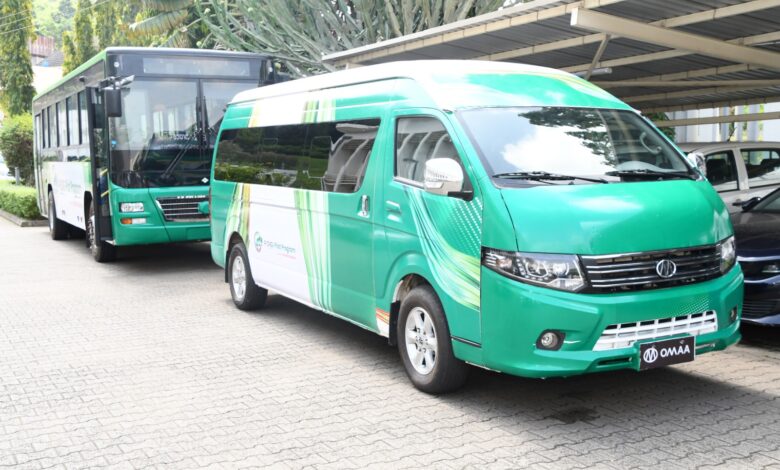
With global disruptions pushing petrol and diesel prices up, President Bola Tinubu has assured Nigerians of measurable fare reductions from October 1, driven by expanded CNG-powered transit under the National Affordable CNG Transit Programme.
It is a pragmatic pivot. As a gas-rich nation with over 200 trillion cubic feet in reserves, Nigeria cannot control global oil markets but can cut exposure through domestic gas technology.
The Federal Government introduced CNG in 2023 after subsidy removal. Late August, it scaled up plans, meeting with 36 state governors on August 27 to agree on wider adoption. An implementation committee under the Nigeria Governors’ Forum, chaired by Gov. AbdulRahman AbdulRazaq, is now mapping priority corridors.
The tech is already proving its value. In Borno, CNG and electric buses charge N50-N100 where commercial buses charge N300-N600. In Kaduna, 100 CNG buses moved 3.2 million passengers free in one year, saving commuters N3.5 billion.
Similar tech dividends are evident elsewhere: Oyo’s Pacesetter cut Lagos-Ibadan from N8,000 to N3,200; Adamawa cut fares by 50%; Enugu’s 100 CNG buses dropped Enugu-Nsukka from N2,500 to N1,500; Plateau’s subsidized buses carry 13,000 daily at N200 versus N500 commercial rate. In Abuja, NURTW-partnered CNG conversions have cut fares by 40% — Area 1-Gwagwalada from N1,500 to N900.
The backbone is growing. In three years, over 120,000 vehicles have been converted, with 400 certified conversion centres and 90 CNG refuelling stations nationwide. Tinubu has pledged more support for infrastructure, conversion and investor incentives.
But the rollout must address its tech bottlenecks. Energy expert Olalekan Adigun warns the drive is slowed by financing, safety and operational gaps. Conversion still costs hundreds of thousands of naira — prohibitive for commercial drivers. Refuelling infrastructure is thin, queues are long, and installation quality raises safety fears.
States must move faster towards the October 1 target by working with unions to fund conversions and deploy fleets.
CNG will not solve Nigeria’s energy problems overnight, but as a transitional mobility technology, it is the most viable bridge between expensive petrol and a cleaner, cheaper transport future.