
For decades, scientists have known that men often lose their Y chromosome in certain cells as they age.
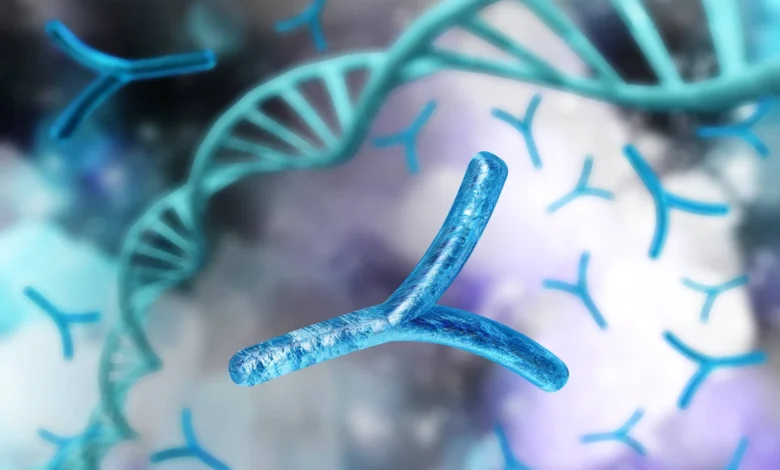
Y chromosome is one of the two sex chromosomes, thread-like structures inside the nucleus of animal and plant cells that protect genetic data in humans and most other mammals, and responsible primarily for determining biological male sex and development.
Losing the Y chromosome is common in male cancers and linked to tumour growth. But scientists still don’t know how often mosaic loss of the Y (mLOY) happens in normal tissues of men, whether or not they have cancer.
Now a new study led by Dr. Dan Theodorescu at the University of Arizona Cancer Centre suggests it may be far more consequential, as it is found to be the earliest sign of cancer forming in the body.
Published in JCI Insights, the study reveals that LOY creates a pre-neoplastic field effect, a hidden zone of genetic vulnerability in otherwise normal tissue. This zone, invisible under the microscope, may provide fertile ground for cancer to take root.
“We were able to show that the loss of the Y chromosome is found in normal-appearing tissues adjacent to a tumor. That finding is what makes this discovery so exciting. It suggests we may be looking at one of the earliest signposts of cancer forming,” Theodorescu stated.
The research team analysed 1,000 tissue samples from 405 men, inspecting more than 4.3 million cell nuclei with automated fluorescent imaging. They measured the Y-to-X chromosome ratio and built detailed maps of tissues removed during cancer surgery.
The researchers found a noticeable gradient of loss of the Y chromosome in bladder tissue: there was some loss in normal tissue, greater loss in early abnormally altered cells, and the most extensive loss in cases of full-blown cancer, which represented the highest level in the gradient.
This progression shows a clear association between mosaicism involving loss of the Y chromosome and the development of cancer, indicating that it could act both as a biomarker and as a mechanism contributing to tumorigenesis.
This pattern repeated across multiple organs, with LOY most pronounced in colon, rectum, esophagus, pancreas, and lung cancers.
As Theodorescu explained: “The closer the tissue is to a cancer, the more Y chromosome loss we see. That gradient could one day help doctors suspect trouble in biopsies that miss a smaller cancer.”
Typically, each male cell contains one X and one Y chromosome. When the Y chromosome is lost, the cell’s genetic balance is disrupted. Previous research carried out by Theodorescu demonstrated that LOY in cancer cells enables them to escape the immune system, which is the reason why cancers exhibiting LOY are often more lethal.
This latest study has expanded the danger zone since LOY is not only a feature of cancer cells but can also be found in nearby tissue that appears normal, indicating that tissue is vulnerable well before a tumor forms.
The finding means that LOY could act as a biomarker for cancer risk. When doctors are able to detect the loss of the Y chromosome in biopsies, they may then be able to spot tissues that are at risk even before cancer becomes visible.
This could lead to a major advance in early detection, particularly in organs in which cancers are notoriously difficult to detect in the early stages, such as the pancreas or the lung.
Loss of the Y chromosome is common in aging men, especially in blood cells, and has already been associated with an increased risk of disease. Now, since it has been found that LOY produces a pre-cancerous field effect in a number of organs, researchers are raising important questions.