Hidden Brain Signals Could Predict Alzheimer’s disease years Before Symptoms Appear

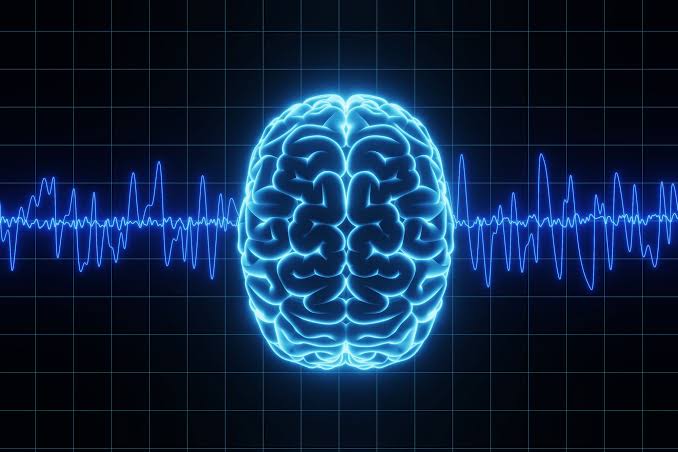
Distinct patterns of brain activity may predict Alzheimer’s disease years before memory problems or hallmark brain changes appear. Stanford Medicine researchers have developed a scoring system that identifies people at greater risk of cognitive decline while also recognising those whose brains show unusual resilience to aging. The study, published November 4 in Science Advances, found that these patterns could predict future cognitive decline more effectively than several established risk indicators, including genetics and Alzheimer’s biomarkers. Identifying the Brain’s Hidden Patterns Researchers analysed resting state functional MRI scans from 180 “super agers,” adults aged 75 and older with memory abilities comparable to those of typical 45-year-olds, and 110 similarly aged people diagnosed with Alzheimer’s disease.
“Normal, cognitively unimpaired individuals are pretty heterogeneous in terms of their biological abnormalities. “Simply comparing super agers with such a heterogeneous population makes it challenging to define what is critical in terms of resilient or vulnerable brain patterns,” said Yu Zhang, an assistant professor of Psychiatry and Behavioral Sciences at Stanford Medicine. The team identified distinct patterns of activity across brain networks and developed the Alzheimer’s resilience/vulnerability connectome (ARC) score. The system distinguished super agers from people with Alzheimer’s with approximately 85 percent accuracy. The researchers tested the ARC score in more than 1,300 cognitively healthy adults aged 55 to 70. Although participants initially showed no clear differences in cognitive performance, their brain activity patterns predicted different outcomes over follow-up periods extending as long as 12 years.
People with more Alzheimer’slike activity experienced faster cognitive decline and were more likely to develop amyloid-beta plaques or receive an Alzheimer’s diagnosis. Those with super-agerlike patterns generally maintained stronger cognitive abilities. “We used the ARC score to make a prediction of how likely this patient will convert into mild cognitive impairment or Alzheimer’s disease,” said Dr. Kanhao (Alex) Zhao, a Stanford postdoctoral scholar and lead author. Going Beyond Traditional Biomarkers “We want to address a major challenge in the Alzheimer’s field nowadays — most studies are looking at well-known Alzheimer’s disease biomarkers, such as amyloid-beta or tau. But those are observable at relatively late stages of the disease.
“What we really care about is defining early markers that can detect earlier signs of cognitive decline and potentially help us deliver timely interventions to people,” Zhang said. The ARC score performed as well as or better than existing biomarkers at predicting progression toward Alzheimer’s, while offering information at an earlier stage. Combining the score with traditional biomarkers improved predictions further. “We compared the ARC score with existing biomarkers in predicting people converting to Alzheimer’s disease. “Our model shows comparable or better prediction ability, and it can do so at an earlier time point. And if we combine our score with the existing biomarkers, the prediction performance improves,” Zhao said. The researchers also found a relationship between ARC scores and brain age, a broader measure of aging derived from functional MRI data.
“I’m excited we established a signature that can help us better understand the difference between people who can maintain excellent cognitive performance and people who show cognitive decline,” Zhang added. ARC scores are not diagnostic, and they do not determine a person’s future. Brain activity can change with aging, injuries, and neuropsychiatric conditions. Researchers hope that targeted interventions might eventually shift vulnerable brain patterns toward greater resilience. Potential approaches include cognitive training and transcranial magnetic stimulation, which uses magnetic pulses to influence brain activity. However, these interventions have not been shown to prevent cognitive decline by changing ARC patterns.