

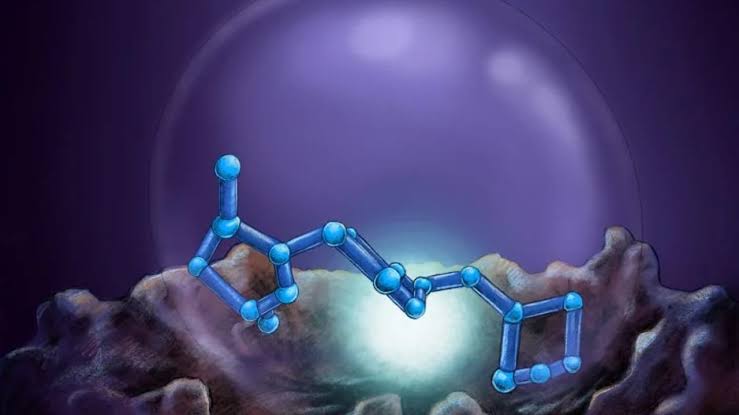
Researchers at the University of Michigan identified the vulnerability that that target a protein that helps drive prostate cancer but has long been considered beyond the reach of drugs. Their experimental compound called PBITE-1, interfered with the protein’s cancer-promoting activity in laboratory models, offering a possible starting point for more targeted treatments. The protein, known as ERG, becomes abnormally active when two genes, TMPRSS2 and ERG, fuse together. This genetic rearrangement occurs in roughly half of prostate cancer cases among patients of European ancestry and promotes tumour cell growth and migration. According to scientists, ERG, which was discovered long ago, has been considered “undruggable” because it appeared to lack the molecular pockets where medications typically attach.
In the new study, published in the Proceedings of the National Academy of Sciences, researchers discovered an accessible pocket in a region called the PNT domain, which helps regulate ERG’s interactions with other proteins. After screening more than 1,600 compounds, the team identified a promising molecule and refined it into PBITE-1. In experiments involving prostate cancer cell lines and laboratory models of human and mouse prostate tissue, the compound inhibited ERG activity, triggered cancer cell death, and reduced the ability of cancer cells to invade surrounding tissue. “Although we were the first to identify the gene fusion as a driver of prostate cancer, it was challenging to find a drug target for ERG,” said Arul Chinnaiyan, Hicks professor of Pathology and member of the Rogel Cancer Centre.
Most existing prostate cancer therapies focus on androgen receptors, proteins that respond to hormones such as testosterone. These receptors can activate the TMPRSS2-ERG fusion, helping fuel tumor growth. Drugs that block androgen signaling can slow the disease, but tumors often develop resistance, and treatment can cause side effects that affect quality of life. Targeting ERG directly could provide an alternative approach for patients whose tumors carry the gene fusion, rather than relying exclusively on treatments that interfere with hormone signaling.
“This work shows that instead of treating all prostate cancer as one disease, we have the potential to personalise therapy for subtypes of prostate cancer.” PBITE-1 remains an experimental research tool, and its effects have not been established in patients. Further research will be needed to determine whether compounds targeting ERG can be developed into safe and effective medicines. “Although it is unlikely that PBITE-1 is ready to become a drug any time soon, this study shows that ERG is a druggable target. “It is exciting that we now have a path forward to target ERG in prostate cancer,” Chinnaiyan said.