
Bloomberg has reported slim activities on the Strait of Hormuz, citing at least two liquefied natural gas shipments through the strategic oil and gas route from the Gulf this week. This is coming as producers look for ways to increase flows to a market struggling with a lack of supply and surging prices.
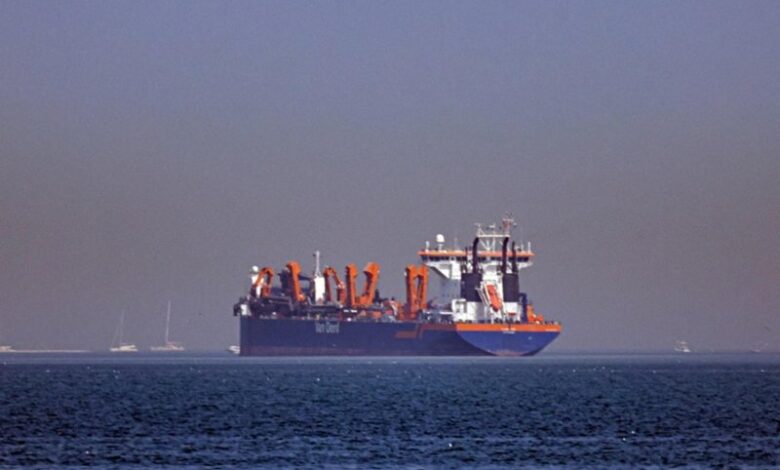
According to the report, citing ship-tracking data, a tanker that loaded at Qatar’s Ras Laffan export plant in late August appeared in the Gulf of Oman earlier this week, an indication that it had passed through the contested waterway. The vessel wasn’t sending a signal when it traversed Hormuz, but jamming and interference is common in the area, complicating efforts to ascertain the exact location of ships.
Separately, another two LNG carriers were spotted doing ship-to-ship transfers off the coast of Oman this week, according to satellite images published by Copernicus Sentinel-2 that are only available after a delay.
The trickle of shipments indicate that Persian Gulf LNG producers are trying to get more fuel through Hormuz, to provide some relief to Asian and European buyers. Exports from the gulf have been at a virtual standstill since a Qatari tanker was attacked by Iran in early July.
The lack of supply has sent spot prices to the highest level in more than three years, and they are at risk of rising further as the Northern Hemisphere winter approaches.
At least two liquefied natural gas shipments transited the Strait of Hormuz this week as producers look for ways to increase flows to a market struggling with a lack of supply and surging prices.
QatarEnergy didn’t respond to a request for comment. Satellite images show that there have been at least three LNG ship-to-ship transfers off the coast of Oman since the middle of August. Such transfers have become common for oil tankers over the last few months, but they are far more rare for LNG, due to the technical challenges involved in keeping the fuel super-chilled during any switch.
Continued hostilities in the Middle East are pressuring LNG producers to test alternatives. Buyers in Pakistan and Bangladesh – dependent on gas via Hormuz – are closely monitoring the situation, as every shipment that gets through means they may not need to purchase a replacement from the expensive spot market.