
A gut bacterium appears essential to the intestinal repair benefits linked to fasting before radiation.During radiation treatment for abdominal cancer, the therapy aimed at a tumor can also injure the delicate lining of the small intestine.
That damage can lead to severe digestive problems and may restrict how much radiation a patient can safely receive.
The bacterium, Akkermansia muciniphila, or AKK, appears to work with metabolic changes caused by short-term fasting to place intestinal cells into a state that supports regeneration after radiation injury.
The findings, published in Proceedings of the National Academy of Sciences, could eventually help researchers develop ways to protect healthy tissue during cancer treatment, although the work has not yet been tested in patients.
The research was led by professor of Experimental Radiation Oncology, Helen Piwnica-Worms, and Kunal Rai, professor of Genomic Medicine, co-led the research.”Fasting helps prepare intestinal cells to respond more quickly and effectively after injury, almost like training the cells with an emergency preparedness plan.
“This study helps explain how that plan is organised and identifies a key bacterium involved in coordinating the response,” Piwnica-Worms said.
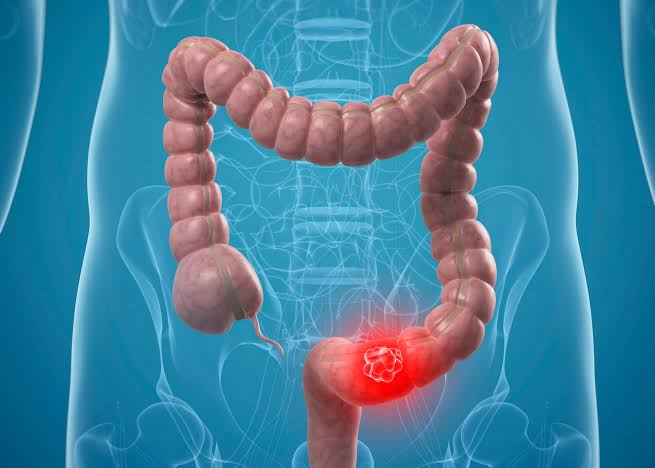
Radiation therapy is frequently used against abdominal cancers, including pancreatic, colorectal, and gynecologic cancers. The difficulty is that the small intestine contains rapidly renewing cells that are especially vulnerable to radiation.
When the intestinal lining is injured, patients can experience nausea, diarrhea, and infection. Severe damage can lead to life-threatening complications, which may restrict the amount of radiation doctors can safely deliver.
Earlier preclinical research from the Piwnica-Worms Laboratory showed that fasting before treatment improved intestinal recovery after radiation. That result raised a more difficult question: what changed inside the intestine during fasting, and how did those changes prepare the tissue to repair itself?
Fasting recruits a key gut bacteriumThe researchers found that fasting for 24 hours increased the abundance of AKK in the small intestine. That shift mattered because AKK produces propionate, a small molecule created when microbes process nutrients.
Propionate worked alongside other metabolic changes caused by fasting to modify histones inside intestinal cells. Histones are proteins that package DNA, much like spools organizing long threads.
Small chemical tags added to these proteins can loosen or tighten access to particular genes without changing the underlying genetic code.In this case, the tags helped expose genes connected with tissue regeneration.
A group of intestinal cells that accumulated during fasting appeared to carry these repair programs in a more accessible state, leaving them prepared to respond once injury occurred.