
When we think of smart wearables, we think of screens, whether it’s the high-density AMOLED display on your smartwatch or micro-LED projectors embedded in mixed-reality headsets. The hardware industry has been trying to build smart glasses around heads-up displays (HUDs) for years. But HUD optics suffered from significant technical compromises, including heavy battery drain, thermal throttling, awkward frame geometry, and significant eye strain.
The latest generation of AI-enabled sunglasses has dispensed with display optics altogether. Instead, hardware makers are building screenless ambient computing platforms using multi-modal AI, ultra-compact camera sensors, and directional micro-acoustics.
Here’s a technical look at how screenless AI glasses work, the hardware components that make them tick, and how they fit into daily tech workflows.
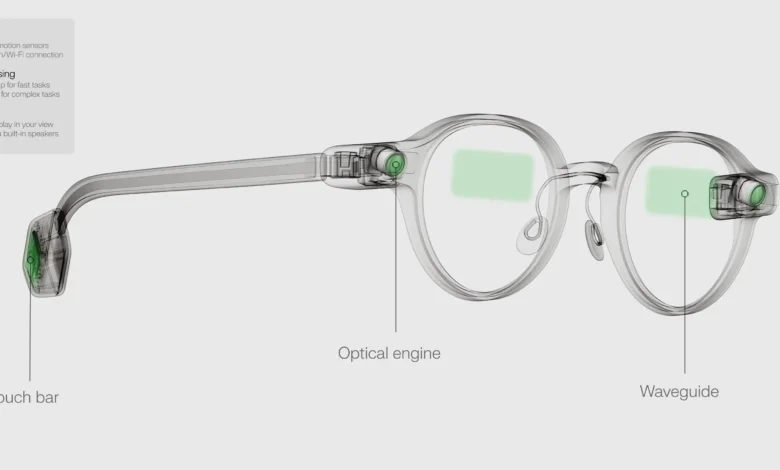
Packing micro-electronics into standard lightweight frame temples requires both strict power management and spatial engineering. Traditional wearables are heavily dependent on visual output; screenless AI frames, in contrast, are dependent on an input-heavy sensor array with low-latency audio output. How the Vision of Multimodal AI Works on Screenless Glasses The key innovation behind AI-enabled sunglasses is multimodal processing. Modern smart glasses are not just simple Bluetooth audio frames; they come with integrated camera modules that feed visual data directly into conversational AI engines.
Because these wearables rely heavily on steady, low-latency Bluetooth pipelines to relay camera snapshots to cloud AI models, managing your phone’s memory resources is crucial. Maintaining optimal system performance often requires learning how to stop background apps on Android so that background tasks do not choke the RAM or bandwidth needed by the companion app. Micro-Acoustics and Spatial Sound Technical Analysis Getting clean audio through frame temples without in-ear buds takes some clever acoustic engineering. Screenless smart eyewear uses directional open-ear audio drivers that sit just above the ears of the wearer.
The micro-speakers create antiphase sound waves outward, canceling out sound leakage to nearby bystanders while leaving your ear canal completely open to your surrounding environment. Edge Processing and Power Architecture in Screenless Frames Operating a continuous multi-sensor wearable without a thick, heavy frame chassis presents severe thermal and battery constraints. Traditional mobile chips draw far too much power when constantly polling camera sensors or decoding high-bitrate audio.
To maximize runtime, screenless frames utilize specialized System-ona-Chip (SoC) architectures equipped with micro Neural Processing Units (NPUs). These low-power coprocessors handle sensor fusion at the hardware layer—interpreting capacitive swipes, filtering microphone audio, and compressing raw image bytes before sending the data over Bluetooth Low Energy (LE).
By keeping the camera sensor in a deep sleep state until a user initiates a gesture or voice prompt, the hardware prevents thermal throttling near the temples while ensuring multi-hour battery life on a single charge. Digital Ergonomics & Eye Health Understanding how display glare and focal fatigue affect your dayto-day workflow is key to attaining digital wellness. Long-time exposure to backlit screens reduces the natural blink rate and leaves the eye muscles in a constant near-focus contraction.
Limiting continuous screen exposure and controlling ambient glare are effective ways to prevent computer vision syndrome and chronic eye fatigue, according to clinical eye care guidance from Cedars-Sinai.
WebMD’s research on sleep architecture also finds that limiting exposure to artificial light in the hours before going to bed aids in natural circadian regulation and sleep quality.
Offloading daily quick-look tasks— such as checking messages, getting navigation directions, or performing web searches—to ambient voice frames helps minimize visual fatigue across all your devices. When managing multi-device desktop workflows alongside wearable companion apps, knowing how to clear system cache on Windows ensures your primary workstation remains clean, stable, and free from background memory bottlenecks. The Verdict: A Genuine Leap Forward for Ambient Computing Screenless AI sunglasses show smart wearables don’t need glowing displays to be useful. AI eyewear provides a hands-free, eyes-up way to avoid constantly checking your smartphone screen, blending iconic frame designs with advanced micro-acoustics, lightweight camera sensors, and interactive voice interfaces. Culled from https://technastic.com/