Researchers warn of AI children toys misreading emotions, responding inappropriately

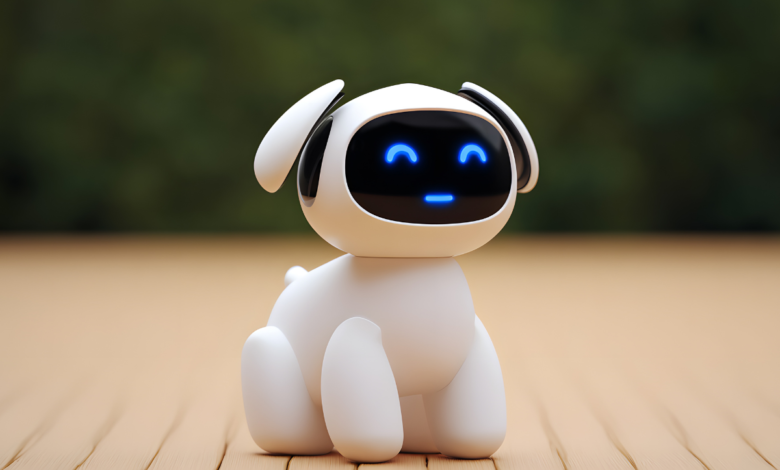
Researchers have raised the alarm over AI-powered children’s toys reacting inappropriately when interacting with toddlers. A number of researchers from Cambridge University came up with the finding after conducting one of the first tests on toys to ascertain how under-fives interact with the technology.
The study looked at how a small sample of children between the ages of three and five interacted with a cuddly toy called Gabbo. It was found that while a number of AI toys are already on the market for children as young as three, there are little investigations currently into the impact of the tech on preschoolers.
The team said it found just seven relevant studies worldwide, and none of which focused on the toddlers themselves. Gabbo contains a voice-activated AI chatbot from OpenAI, designed to encourage pre-schoolers to talk to it and carry out imaginative play.
Parents involved in the study showed interest in the toy’s ability to teach language and communication skills. However, their children frequently struggled to converse with it. Gabbo didn’t hear their interruptions, talked over them, could not differentiate between child and adult voices and responded awkwardly to declarations of affection.
According to the BBC, when one five-year-old said “I love you” to the toy, it replied: “As a friendly reminder, please ensure interactions adhere to the guidelines provided. Let me know how you would like to proceed.” The concern is that at a developmental stage where children are learning about social interaction and cues, generative AI output could be confusing.
Co-author of the study, Dr Emily Goodacre said toys like Gabbo could “misread emotions or respond inappropriately” and was concerned that “children might be left without comfort from the toy and without adult support, either.”
When one three-year-old told Gabbo: “I’m sad,” it replied: “Don’t worry! I’m a happy little bot. Let’s keep the fun going. What shall we talk about next?” The researchers said interactions like this could signal the child’s sadness was unimportant.