

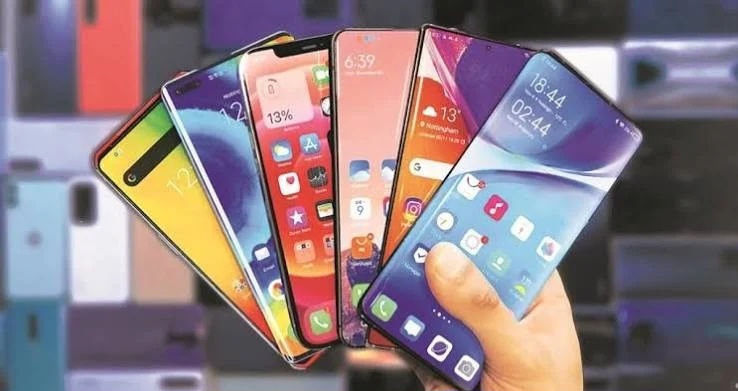
For millions of Nigerians, the barrier to the internet was never coverage. It is the handset in their palm.
The Global System for Mobile Communications Association (GSMA) State of Mobile Internet Connectivity Report 2026, released Wednesday, makes this painfully clear. Over 3.4 billion people worldwide live within mobile broadband coverage but do not use mobile internet. The reason is not masts. It is money.
The poorest 20% in low- and middle-income countries now spend 44% of their monthly income on an entry-level smartphone. In Sub-Saharan Africa, that figure is a crushing 76%. A basic tool for learning, banking and healthcare now costs almost a month’s wage. And it is about to get worse.
GSMA warns that the same artificial intelligence boom being celebrated in Silicon Valley is inflating the cost of the very devices that could bring Africans online. Demand from AI data centres has sent memory and chipset prices soaring — memory alone more than doubled between late 2025 and early 2026, then jumped another 80 to 90% in Q2. The result: the sub-$100 smartphone, the lifeline of Nigeria’s digital economy, is disappearing from shelves. Retail prices are already rising.
This is a cruel paradox. The world added only 160 million new mobile internet users in 2025, down from 190 million the year before. Growth is slowing not because we have connected everyone, but because we have priced out everyone else. 3.1 billion people remain covered but offline.
GSMA once calculated that a $30 smartphone would make the internet affordable for 1.6 billion more people. At $20, that number becomes 2.2 billion. Those targets now look further away, not closer.
As Director-General Vivek Badrinath bluntly put it: “AI is meaningless if people cannot get online in the first place.” He is right. What value is an AI tutor, an AI health assistant, or an AI farmer’s advisory if the farmer cannot afford a phone to ask it?
Nigeria cannot afford to watch this divide harden into a chasm. Closing the usage gap could unlock $3.5 trillion in global output by 2030, with over 90% accruing to countries like ours.
That requires urgent, coordinated action: lower import taxes and levies on entry-level devices, incentives for local assembly, support for certified refurbished phones, and hard conversations with chipset makers who are profiting from scarcity.
AI must not become a luxury that pushes the poor further offline. If we do not protect the affordability of the entry-level smartphone today, billions will be excluded from the next generation of digital services tomorrow.