Scientists develop tiny solar cells that use car windows, glasses to generate electricity

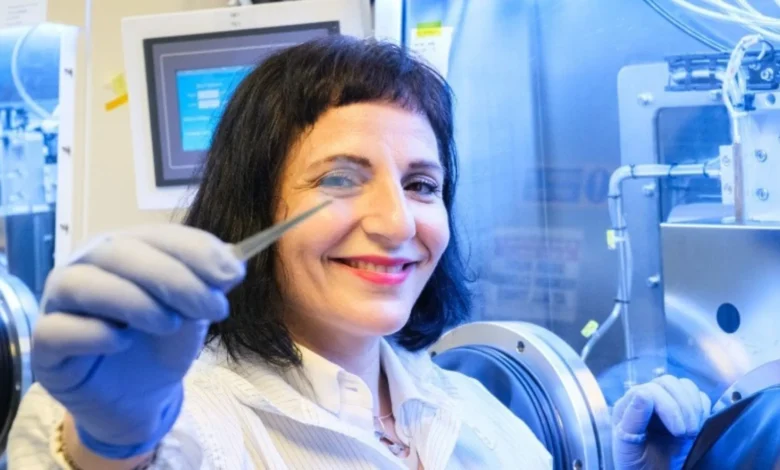
Scientists in Singapore have built solar cells thinner than even human hair that could turn car windows, skyscraper glass, and smart glasses into power-generating surfaces.
The team of researchers at Nanyang Technological University said despite the tiny size of solar cells, they delivered some of the strongest efficiencies reported for ultrathin perovskite solar technology.
The findings, published in the journal, ACS Energy Letters, highlight a growing push to turn everyday surfaces into clean energy sources. The scientists said the technology could eventually help buildings, vehicles, and wearable electronics generate electricity without major design changes.
The study also points to a future where cities can produce more renewable energy without adding extra land or bulky rooftop infrastructure.
The research team, led by Annalisa Bruno, designed the solar cells to stay nearly invisible while still producing electricity. Because the cells remain semi-transparent and color-neutral, they could blend into office towers, windows, and glass façades more easily than conventional solar panels.
That could make the technology more attractive for architects and developers looking to add renewable energy systems without changing a building’s appearance. The cells use perovskite, a material known for absorbing sunlight efficiently at lower production costs than silicon.
Unlike traditional solar panels, the new devices can also generate electricity under indirect and diffuse light conditions. That makes them useful in dense cities where tall buildings often block direct sunlight.
The study team said large office towers with glass exteriors could eventually offset part of their electricity demand using the technology. Early estimates suggest some buildings could generate hundreds of megawatt-hours of electricity each year if the solar cells scale successfully.
To manufacture the cells, the team used thermal evaporation, an industrial process that heats materials inside a vacuum chamber until they vaporise and settle into thin films.
The method allowed researchers to create highly uniform perovskite layers as thin as 10 nanometers. It also avoided toxic solvents commonly used in solar-cell manufacturing, which could simplify future large-scale production.