
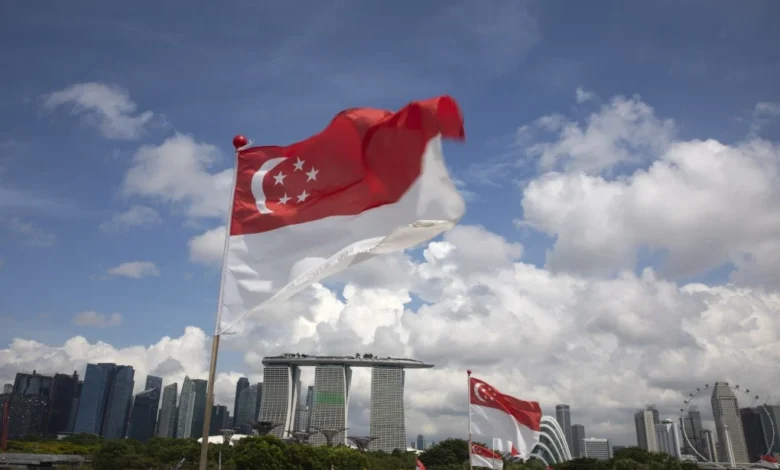
Singapore has extended its emission limit rules for air conditioning and refrigeration equipment to large commercial refrigeration systems and vehicle air-conditioning for the next two years.
The National Environment Agency (NEA) In a statement on May 28 said the ban on new refrigeration and air-conditioning equipment for these systems with high greenhouse gas emissions will help the Republic reach its climate goals on such emissions by 2030.
Refrigeration and air conditioning equipment traditionally cool the air using hydrofluorocarbon (HFC) gases, which can be hundreds to thousands of times more potent than carbon dioxide in contributing to global warming.
From July 2027, new centralised commercial fridges, typically used in supermarkets, must use more environmentally friendly refrigerants capped at a global warming potential (GWP) of 150, aligning with standards in Europe and Japan.
This means that over a century, these systems can contribute to global warming at a rate of only up to 150 times higher than carbon dioxide. From July 2028, the same GWP limits will apply to air-conditioning in new passenger cars and light goods vehicles. Said NEA: “This later start date gives vehicle suppliers more time to adjust, as some models using lower-GWP refrigerants are not yet widely available.
The GWP limits are aligned with standards already adopted in markets such as the EU and Japan, where low-GWP alternatives are available.”
The decision was made following feedback from some authorised motor dealers that manufacturers would need more time to develop and supply compliant models to Singapore.
The new measures follow the agency’s introduction of GWP limits in 2022 for household air conditioners, refrigerators and water-cooled chillers used for large building cooling systems.
The agency said the limits apply only to new equipment, to minimise disruption to businesses, which will be allowed to continue using existing systems until they reach the end of their service life. Those that do not comply with these measures can be fined up to $10,000.
Additionally, from July 2027, more companies that dismantle refrigeration and air conditioning equipment will be required to register with NEA and follow formalised practices for disposal.
These are firms that deal with centralised commercial refrigeration systems typically used in supermarkets, centralised industrial refrigeration systems for cold rooms, air-conditioning for passenger cars and light goods vehicles, and refrigerated trucks.
Those that do not follow proper disposal procedures can be fined a maximum of $10,000, face imprisonment of up to three months, or both.
A local media outfit, The Strait Times, quoted an NEA spokesperson as saying that the latest measures were developed in consultation with more than 900 firms, including key suppliers and refrigerant reclamation companies.
The public was also consulted through government feedback unit REACH’s public consultation portal in September 2025.