
Meta-owned WhatsApp has introduced private chats with its AI chatbot which even the tech company will not be able to read in the new “incognito” conversation mode.
The new chatbot is configured in a manner that neither the user nor the AI’s responses will be monitored if the feature is activated while past conversations will disappear from the chat for the user.
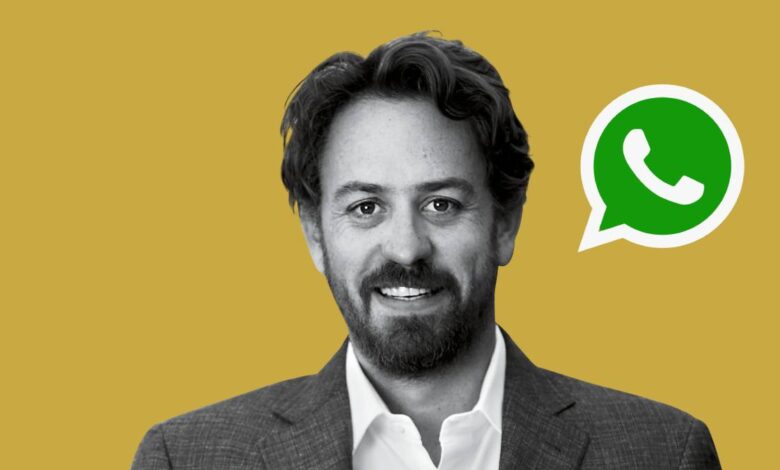
WhatsApp head, Will Cathcart said the innovation was in response to people’s demand for private conversations with AI on sensitive subjects, including health, relationships and finances and did not want them to be accessible.
However, responding to the new model, a cyber security expert, Prof. Alan Woodward told the BBC that this could lead to a lack of accountability for WhatsApp if things go wrong, as they would have no access to chat history. When Meta AI was added to WhatsApp last year, it was criticised by some users angry at not being able to turn it off.
But in May 2025, Meta owner, Mark Zuckerberg said Meta AI had reached a billion users across its apps. “We’ve heard from a lot of people that they feel some discomfort about sharing [personal] information with the company, yet they want the answers,” Cathcart said of the latest announcement.
Currently, most AI companies do store some data from chatbot use, and outside of businesses who pay premiums for enterprise accounts, that data can also be used to train future models of the product. Zuckerberg described it as the “first major AI product where there is no log of your conversations stored on servers.”
The technology behind WhatsApp’s incognito mode is not the same as the end-to-end encryption the platform uses to protect other messages, but it is “the equivalent,” Cathcart added. Woodward, a cyber security expert at Surrey University, said there was a low risk of compromising WhatsApp’s existing security by introducing a second system.
However, there are concerns about how incognito mode could hide AI malfunction or abuse. A number of AI companies, including OpenAI and Google, have been the subject of wrongful death lawsuits. Woodward said there was a risk of a lack of accountability for the AI’s responses.
“Personally I think what you ask an AI should remain private as some people ask it very personal matters – but you are placing a great deal of trust in the AI not to lead users astray,” he told the BBC.
The concern is that disappearing messages which cannot be retrieved by the user or by Meta would mean it would be impossible to find evidence whether somebody’s chats led to harm, death or suicide.
Cathcart said incognito mode would initially only process text rather than images, and Meta AI’s guardrails would err on the side of caution in refusing to answer requests which could be interpreted as harmful or illegal.
WhatsApp has blocked other AI chatbots from being accessible from its systems, so the only AI that its billions of users can interact with on the platform is Meta’s own. “Meta is on track to shell out $145bn [£107bn] on AI infrastructure in 2026, and investors want to see a lot more bang for those mega bucks.